When it comes to social audits, companies depend on the cooperation of their suppliers. If suppliers aren’t convinced of the purpose and benefits of audits, planning can stall – potential risks related to human rights in the supply chain remain undetected during that time. Still, a few straightforward measures can make your audit program more effective.

Loading...
Social audits: How to alleviate the burden on your suppliers

Loading...
As a provider of social audits, we often see the same situation unfold: companies develop a supplier code of conduct and subsequently plan social audits to ensure compliance with that code. But once implementation starts, the first challenges quickly emerge: some suppliers refuse audits, others simply stop responding, hoping the request simply fade away, while others request a postponement.
The reasons for rejecting an audit can vary:
- the growing burden of audits,
- resource constraints,
- or simply fear of the consequences of a poor audit result.
So how can we achieve a collaborative implementation of social audits despite these obstacles?
Five Measures for Successful Social Audits
To improve the effectiveness of your audit program and ease the burden on your suppliers, five relatively simple measures can help. They build trust, prevent misunderstandings, and strengthen long-term collaboration.
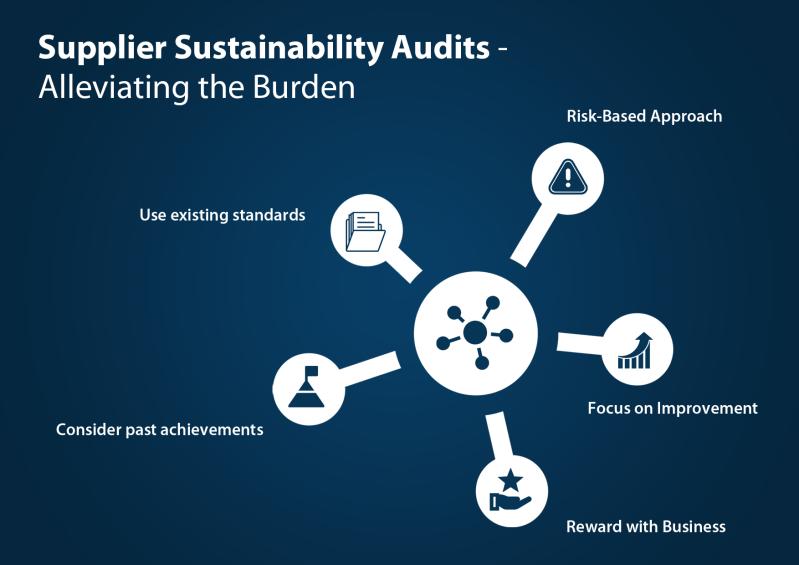
Measure 1: Refer to existing standards
When comparing supplier codes of conduct from various companies, it quickly becomes apparent that the differences are usually minimal. Likewise, differences between common social standards are minor. Standards and initiatives like Sedex SMETA, SA 8000 and BSCI most likely already include all the requirements you would want to incorporate into your code of conduct. Instead of using a proprietary code of conduct as the basis for supplier audits, we recommend relying on existing standards to contribute to the harmonization of social standards.
If you wish to impose specific requirements on suppliers that are not covered by existing standards, you can add these to your audit protocol.
Involve your compliance team early when developing your code of conduct and audit approach. Globally, due diligence requirements in supply chains are increasing. Several new laws require companies to conduct human rights due diligence. Your compliance team can ensure that your audit program aligns with legal requirements.
Measure 2: Take Existing Audit Reports into Account
It’s unlikely that you are the first or only customer requesting a social audit. If a supplier already has a valid certificate or audit report from a reliable third party, consider whether another audit covering the same aspects is truly necessary. Align your code of conduct with existing supplier standards and only review areas that have not been sufficiently assessed.
Also consider industry initiatives to promote cooperation in auditing, and adjust your requirements accordingly.
Measure 3: Consider a Risk-Based Approach
Instead of setting audit requirements across the board for the entire supply chain, you can set risk-based priorities. Some vendors provide risk assessment tools that can help you designate audit priorities. These tools typically distinguish between:
- inherent risks in regions and industries (economic conditions, wage structures, workforce composition, etc.)
- risk factors associated with individual suppliers, based on previous audit results and questionnaires
Use screening tools and automated processes to identify suppliers with the highest risk of negative environmental or human-rights impacts. Focus on those parts of the supply chain where your actions can have the greatest impact.
Measure 4: Focus on Improvement
If suppliers are reluctant to undergo a social audit, it may be because they fear possible consequences of a poor audit result. To ease these concerns, offering support and guidance can be helpful. Always keep in mind:
- Collaboration instead of control
- Trust instead of fear
- Guidance instead of punishment
Avoid treating audits as pass/fail tests and do not threaten to end a supplier relationship based on poor results. Instead, support suppliers in improving their sustainability performance.
See the audit as a starting point for improvement. A systematic approach to tracking audit results is essential. However, in our experience at DQS, many companies still struggle to manage preventive and corrective actions. Define your approach, processes, and responsibilities before the audits begin. Ensure you have the necessary resources to follow up on open issues.
Measure 5: Reward Strong Performance with Additional Business
Some companies have had good experiences with awarding prizes to suppliers who demonstrate exemplary performance. But more important than awards and trophies is the bottom line: when suppliers see that outstanding sustainability performance increases their chances of securing more business, additional incentives are usually unnecessary.
What can DQS do for you?
DQS is your competent partner for social and sustainability audits. With smooth audit planning and meaningful audit reports, we contribute to the success of your sustainable procurement strategy. Our experienced auditors are familiar with local legislation, cultural contexts, and the language of the workforce. In addition to conducting social audits, we support you in developing tailored audit concepts, as well as with risk analyses and training programs.
Author
Dr. Thijs Willaert
Dr. Thijs Willaert is Global Director Sustainability Services. In this role, he is responsible for the entire ESG service portfolio of DQS. His areas of interest include sustainable procurement, human rights due diligence and ESG audits.

Loading...