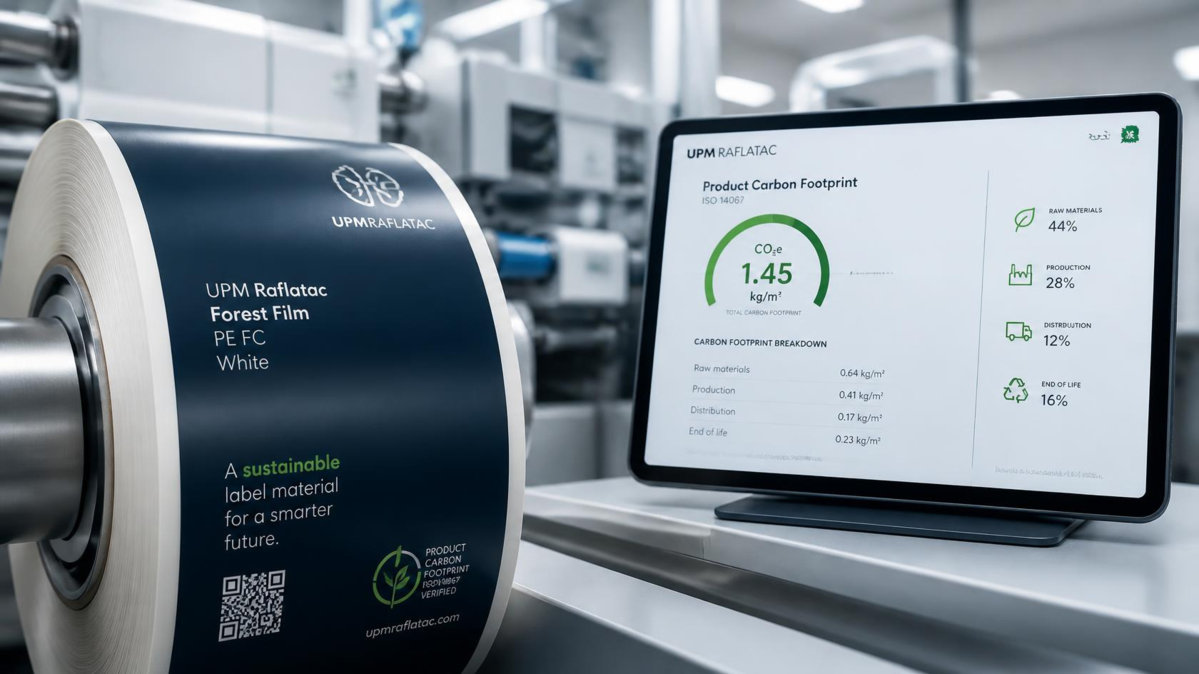
As the world faces the escalating consequences of climate change, reducing greenhouse gas emissions has become a crucial priority. ISO 14064 provides a valuable framework for organizations to effectively measure and manage their emissions.

Loading...
Measuring Our Impact: How ISO 14064 Helps Combat Climate Change

Loading...
What is ISO 14064?
ISO 14064 is an international standard offering guidelines for quantifying, monitoring, reporting, and verifying greenhouse gas (GHG) emissions. It is divided into three parts:
- Part 1: Focuses on organizational-level emissions.
- Part 2: Deals with project-level emissions.
- Part 3: Covers the validation and verification of GHG assertions.
This standard empowers organizations to understand their carbon footprints, enabling them to take meaningful actions towards reduction.
Why is it Important?
Implementing ISO 14064 helps businesses identify major sources of emissions, set reduction targets, and track their progress over time. This not only ensures compliance with regulations but also enhances corporate social responsibility (CSR) initiatives, making companies more attractive to sustainability-minded consumers.
Real-World Applications
Many companies leverage ISO 14064 to align their operations with sustainability goals. For example, a manufacturing firm might assess emissions from its production processes, enabling them to implement energy-efficient measures that significantly reduce their carbon footprint. By transparently reporting these efforts, they can improve their reputation and attract environmentally conscious customers.
Conclusion
In our collective effort to combat climate change, ISO 14064 serves as a crucial tool for organizations dedicated to making a positive impact. By quantifying and reporting emissions, we can work together toward a more sustainable future.
Associated Services by DQS HK
Author
DQS Hong Kong
DQS – Leveraging Quality, Driving Success.
DQS empowers organizations worldwide to build trust, drive innovation, and achieve sustainable growth by certifying the future of business. Founded in 1985, DQS has grown into a global leader in the assessment and certification of management systems, with a team of 3,000 highly qualified auditors delivering over 130,000 audit days per year in more than 60 countries. Through internationally recognized certifications across 200+ standards, DQS helps businesses manage risks, ensure compliance, and unlock new opportunities in an evolving regulatory and business landscape.
Thinking beyond compliance, DQS is a trusted partner for digitalization, automation, and sustainability leadership. The company’s expertise covers a wide range of areas, spanning from cybersecurity and AI governance to ESG compliance, supply chain management, medical device safety, and future mobility, delivering real value to industries in their pursuit of resilient, sustainable, and intelligent systems. By leveraging advanced auditing methodologies, predictive analytics, and real-time insights, DQS supports organizations to future-proof their operations while demonstrating their commitment to excellence and responsible business practices.

Loading...