Duplicate audits, differing requirements, limited comparability, and significant time expenditure – selecting and conducting the right social audit remains a complex challenge for many organizations. In practice, procurement and compliance managers are faced with a wide range of different audit programs to choose from. The key question is: Which program is suitable and fulfills the defined requirements? 

This is where the Sustainable Supply Chain Initiative (SSCI) comes in, assessing and benchmarking audit programs for the consumer goods industry. SSCI has now officially recognized Sedex SMETA as a credible and reliable audit program. 

This blog article explains what the SSCI recognition entails in concrete terms and what it means for buyers and suppliers.

SMETA at a Glance: Role and Relevance in Supply Chains 

Global supply chains are under greater scrutiny than ever before. Organizations must ensure adherence to social standards and minimise risks. A social audit enables buyers to assess and improve working conditions at their suppliers’ sites. Suppliers can demonstrate responsible and ethical business practices. This can enhance their reputation and strengthen business relationships. 

With more than 60,000 site assessments per year, SMETA is among the most widely used social audit methodologies worldwide. SMETA stands for Sedex Members Ethical Trade Audit. It was developed by Sedex (Supplier Ethical Data Exchange). More than 95,000 organizations across 35 industries worldwide are members of the Sedex platform. 

SMETA is designed to be industry- and region-neutral. It can be applied across diverse supply chains and enables consistent comparability of results. The SMETA social audit covers four pillars:

  • Labor Standards 
  • Health & Safety 
  • Environment 
  • Business Ethics 

SMETA audits can be conducted as a Two-Pillar Audit (Labor Standards, Environmental (abridged), Health & Safety) or a Four-Pillar Audit (including Environmental (extended) and Business Ethics). Auditors assess aspects such as working hours, wages, discrimination, forced labor, child labor, freedom of association, occupational health and safety, environmental management, and anti-corruption measures.

DQS offers Sedex SMETA audits and is recognized and accepted by numerous organizations in the consumer goods industry as an audit company. If you would like to learn more about Sedex SMETA, you can find further information here.

SMETA Receives Official SSCI Recognition for the Consumer Goods Industry 

The Sustainable Supply Chain Initiative (SSCI) has officially recognized Sedex SMETA 7.0 as a social audit program for the consumer goods industry. SMETA is one of a limited number of audit programs worldwide that have received SSCI recognition. Five additional programs are currently undergoing the formal SSCI benchmarking and recognition process. 

Sedex SMETA successfully completed the comprehensive assessment procedure and received SSCI recognition in both Processing & Manufacturing and Primary Production. The “SSCI-recognised” label indicates that SMETA 7.0 meets the requirements defined by the consumer goods industry for credible social audit programs. 

For procurement and compliance managers, SSCI recognition provides greater assurance when selecting a recognised social audit program and reduces the need for alignment between buyers and suppliers.

“SSCI recognition underlines the quality and integrity of Sedex and the SMETA audit. It serves as independent proof of the reliability and credibility of the audit program.” 

David Bermudez 
Global Product Manager Social Compliance & Human Rights

SSCI and the Consumer Goods Forum: Mission, Objectives and Relevance for Supply Chains 

The SSCI is an industry initiative of the Consumer Goods Forum (CGF), launched in 2017. It benchmarks and evaluates sustainability and social audit programs in supply chains. Its goal is to help consumer goods companies identify credible and high-quality programs. 

SSCI aims to reduce fragmentation caused by different audit approaches and to create greater transparency and orientation. With SSCI recognition, procurement and compliance managers can select recognized audits more efficiently and avoid duplicate audits. 

The Consumer Goods Forum (CGF) is a global network of consumer goods companies. Its members share the common vision of “Better Lives Through Better Business.” Based on this vision, the CGF engages in action areas such as climate change and human rights and develops industry-wide solutions for key global challenges. Around 400 manufacturers, retailers and service providers from over 70 countries are represented in the Consumer Goods Forum.

What Requirements Must the SMETA Audit Fulfill for SSCI Recognition? 

SSCI recognition is based on clearly defined requirements to ensure international comparability and credibility. To obtain SSCI recognition, an audit program such as Sedex SMETA must meet specific social, environmental and system management requirements. The assessment is carried out through the official SSCI benchmarking process, during which content, processes and governance structures are reviewed and evaluated. 

The SSCI benchmarking follows a clearly defined assessment process. This includes a self-assessment, document review, on-site evaluation and public consultation. Following recognition, the audit program is also subject to ongoing monitoring by SSCI. 

SSCI reviews whether an audit program such as SMETA covers all relevant social topics. The social criteria are based on international reference frameworks such as the ILO Core Conventions and the UN Guiding Principles on Business and Human Rights. The assessment criteria include: 

  • Compliance with national legislation 
  • No forced, bonded or prison labor 
  • No child labor 
  • Freedom of association and effective recognition of the right to collective bargaining 
  • No discrimination, harassment or abuse 
  • Health and safety 
  • Building and fire safety 
  • Wages, benefits and employment conditions 
  • Working hours 
  • Grievance mechanisms 

In addition to the social criteria, SSCI requires audit programs to meet comprehensive environmental criteria. These include: 

  • Environmental management systems 
  • Compliance, transparency and complaints 
  • Environmental pollution prevention 
  • Management of potentially hazardous substances 
  • Integrated pest management 
  • Soil health 
  • Energy consumption and greenhouse gas emissions 
  • Water protection 
  • Waste  
  • Land use and biodiversity 
  • Animal welfare 
  • Forestry practices 
  • Eco-design 

Finally, SSCI evaluates the internal system management of an audit program. This assessment includes, among other aspects, policies for program management as well as for conducting audits and certifications. The assessment criteria include: 

  • System governance 
  • Scope and objectives 
  • Integrity program 
  • Logo use and claims 
  • Standard setting and maintenance 
  • Accreditation 
  • Relationship with audit firms 
  • Auditor competence 
  • Audit protocol 
  • Audit reporting 
  • Follow-up procedures 
  • Data management 

These three areas of criteria form the basis for SSCI recognition. Procurement and compliance managers can be confident that recognised audit programs have been benchmarked against these requirements. This supports them in selecting a social audit and reduces the need for alignment.


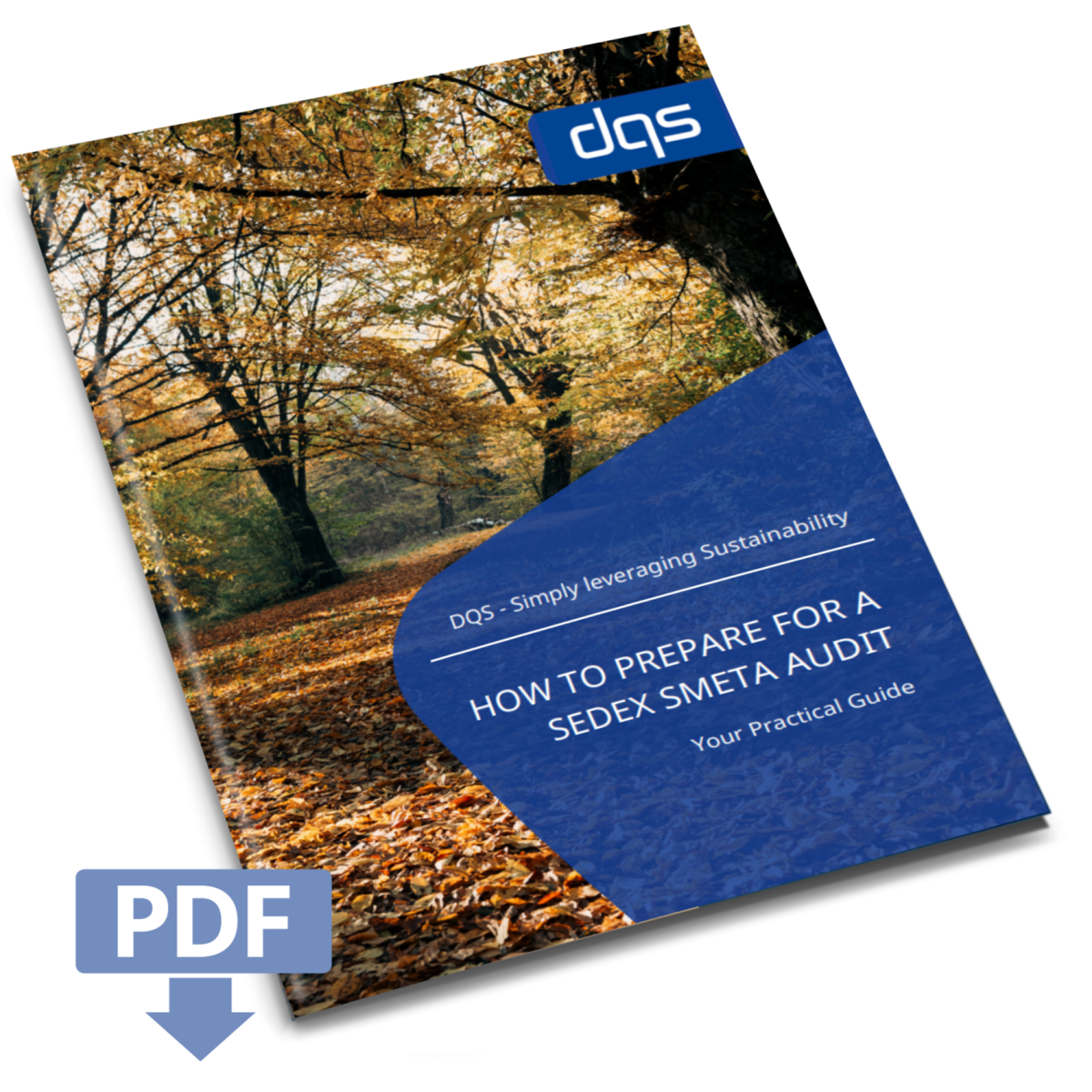
Sedex Whitepaper Vorschaubild English
Loading...
Free White Paper

Preparing for a Sedex Audit

Are you facing a Sedex SMETA audit or would you like to familiarize yourself with the requirements? Our white paper provides a structured and practical foundation for efficient audit preparation. 

You will receive: 

  • A clear understanding of SMETA fundamentals and methodology 
  • A detailed view of the business case, including cost and benefit considerations 
  • Step-by-step guidance through the seven phases of the audit process 
  • Practical preparation tips for a successful on-site audit 
  • Expert answers to frequently asked questions on SMETA requirements 

What Are the Benefits of a SMETA Audit for organizations? 

The results of a Sedex SMETA audit provide organizations with strategic, regulatory and communicative advantages. These include in particular: 

  • A reliable basis for decision-making for ethical sourcing strategies in global supply chains 
  • A structured assessment and improvement of working conditions in complex supply chains 
  • Clear evidence of adherence to social standards relating to working conditions and human rights 
  • Greater transparency regarding social engagement towards existing and potential business partners 
  • Structured information exchange via the internationally recognised Sedex database with authorised users 
  • The opportunity to make responsible and ethical conduct visible, thereby strengthening reputation and business relationships

In summary: For buyers, a SMETA audit provides a structured foundation for responsible supply chain strategies. For suppliers, it increases transparency and enables them to demonstrate their social performance to business partners.

READING TIP:

For practical insight into the implementation of a Sedex SMETA audit, you can find a field report in our blog. The report outlines the entire process from a supplier’s perspective – from the initial call by the buyer requesting a SMETA audit, through preparation and the actual audit day, to the final audit report. It also includes key learnings and practical guidance on what organizations should expect in practice.

Conclusion: SSCI Recognition of SMETA Provides Clear Orientation 

SSCI recognition confirms that SMETA 7.0 meets benchmark criteria for social audits in the consumer goods industry and provides a credible quality framework. This classification underlines the reliability and credibility of the audit program. 

Sedex SMETA is listed among SSCI-recognized and trusted audit programs. This list serves as orientation for procurement and compliance managers to select suitable audits more quickly and in a more targeted manner.


How DQS Can Support You 

DQS is your competent partner for social and sustainability audits. We have been offering Sedex SMETA audits for nearly ten years and are recognized and accepted by numerous organizations in the consumer goods industry as an audit company. Through smooth audit planning and meaningful audit reports, we support your sustainable sourcing strategy. Our experienced auditors are familiar with local legislation, culture, and workforce language – ensuring region-specific expertise combined with global consistency.

Author

David Bermudez

Loading...

You Might Also Enjoy These Reads

Discover more articles that dive deep into related themes and ideas.
Blog
Loading...

HKFRS S1 & S2 Assurance: Hong Kong ESG Compliance Explained

Blog
Loading...

DQS awards ISCC PLUS certification, deepening strategic cooperation in the marine plastics sector.

Blog
Loading...

ISO 14001:2026 is Coming: A Strategic Guide for Hong Kong Enterprises