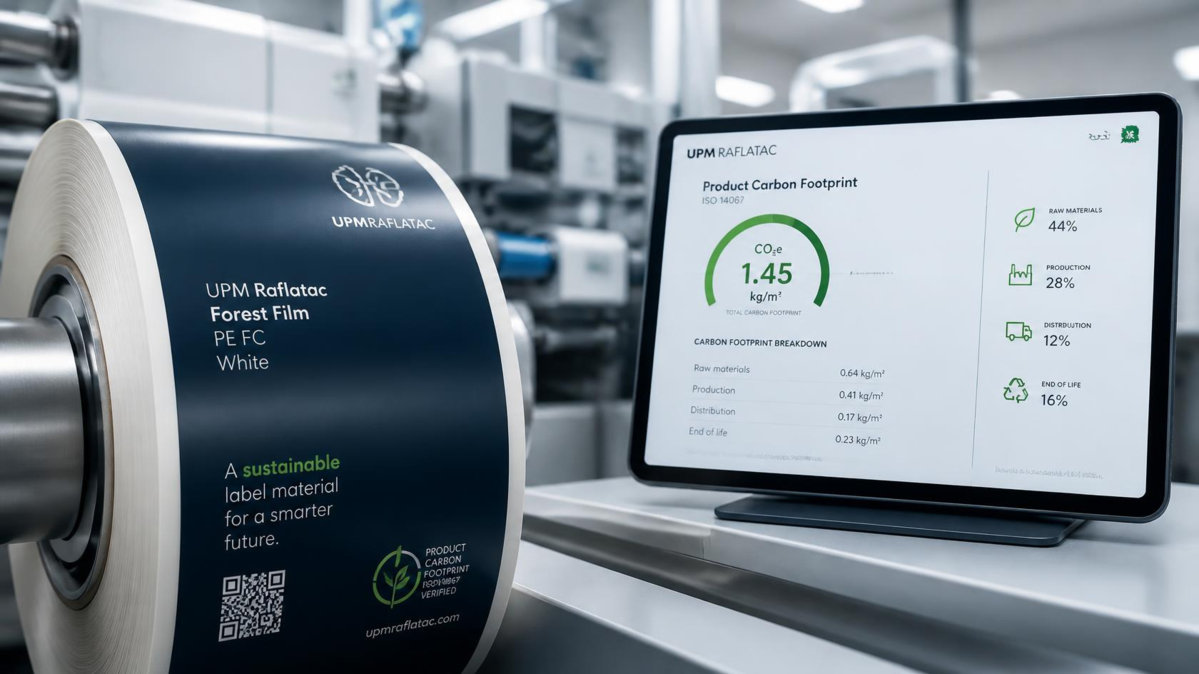
Globally, both consumers and businesses are increasingly focused on sustainability. In today’s competitive market, companies need not only to show their commitment to the environment but also to clearly and reliably communicate their product’s environmental impact. Environmental Product Declarations (EPD) and Carbon Footprint (CFP) are two powerful sustainability auditing and reporting schemes that help businesses assess their products' environmental performance. Are you considering which scheme best suits your business?

Loading...
EPD vs CFP: Which Scheme Best Supports Your Sustainability Goals?

Loading...
What is an EPD?
An Environmental Product Declaration (EPD) is a comprehensive, third-party verified document that provides data on the environmental performance of a product across its lifecycle. It covers all environmental impacts from raw material extraction, production, transportation, usage, and disposal (such as energy, water use, carbon emissions). EPD is an ideal choice for B2B businesses, especially in industries like construction and manufacturing.
Advantages of EPD:
- Comprehensive Assessment: Covers multiple environmental impacts, meeting complex compliance requirements.
- Standardization: Follows international standards, ensuring data comparability and consistency.
- Certified Credibility: Third-party verification boosts trust in the business.
What is a CFP?
The Carbon Footprint of a Product (CFP) focuses on measuring the carbon emissions (CO₂e) associated with a product throughout its lifecycle. CFP offers a simplified evaluation method, helping businesses quickly understand their carbon footprint. Whether you need to demonstrate carbon reduction efforts to consumers or meet the demands of climate-conscious businesses, CFP is the perfect solution.
Advantages of CFP:
- Simplicity and Focus: Specializes in carbon emissions, making it easier to understand.
- Quick Assessment: Evaluation periods are short, ideal for businesses needing a fast response.
- High Flexibility: Suitable for both B2B and B2C markets, especially for consumers concerned with climate change.
Key Differences Between EPD and CFP — Which One is Right for You?
- Assessment Scope:
EPD offers comprehensive environmental impact data covering energy use, water resources, carbon emissions, and more.
In contrast, CFP focuses solely on carbon emissions (CO₂e).
If your goal is a full assessment of your product’s environmental impact, EPD is the better choice. If you're primarily concerned with carbon emissions, CFP offers a quicker and more focused approach.
- Standards and Certification:
EPD adheres to international standards like ISO 14025, ISO 14040/44, and requires third-party verification to ensure data reliability.
CFP, following ISO 14067 or PAS 2050 standards, offers optional third-party verification, but it’s still highly recommended for accuracy.
- Target Audience:
EPD is most suited for B2B companies, particularly in industries like construction and manufacturing that require detailed lifecycle data.
CFP, however, is beneficial for both B2B and B2C markets, especially for businesses targeting climate-conscious consumers.
- Time Investment:
EPD requires a longer time for data collection, analysis, and verification, typically spanning several months.
On the other hand, CFP can be completed in a shorter period, ranging from a few weeks to a few months, making it ideal for businesses needing a quick carbon footprint assessment.
CIC GPC in Hong Kong: Two Practical Routes for Building Materials
For building materials seeking CIC Green Product Certification (GPC) in Hong Kong, there are two recognized routes:
- Carbon Auditing Route (CFP):
A product-level Carbon Footprint of Product (CFP) based on ISO 14067.
It’s a carbon-only assessment route, suitable for those needing a quick carbon assessment for CIC GPC. CIC requires a verfication by a recognzied VVB on the report.
- EPD Route:
A third-party verified Environmental Product Declaration (EPD) aligned with ISO 14025 / ISO 14040/44.
This route provides broader lifecycle data and is ideal for businesses targeting international markets or those requiring full LCA.
For a recognzied EPD report, a further verification by a VVB is not required by CIC.
EPD or CFP, How to Choose?
- Define Your Goals:
If you need detailed lifecycle data and extensive environmental compliance reports, EPD is the ideal choice.
If your focus is carbon reduction and quick responses to customer needs, CFP is a suitable option.
- Assess Available Resources:
EPD requires significant time and data investment, ideal for businesses with sufficient resources.
CFP, on the other hand, is suitable for companies that need to complete environmental assessments more quickly.
Get Started on Your Environmental Journey Today
Choosing EPD or CFP is more than just selecting a scheme; it’s about defining your business’s position in the sustainability market. With DQS HK’s professional certification services, we help businesses easily navigate the EPD and CFP audit process, ensuring that your environmental commitment is fully showcased.
Contact us today to learn how DQS HK’s certification services can help you achieve your sustainable development goals.
Services Offered by DQS HK
Author
DQS Hong Kong
DQS – Leveraging Quality, Driving Success.
DQS empowers organizations worldwide to build trust, drive innovation, and achieve sustainable growth by certifying the future of business. Founded in 1985, DQS has grown into a global leader in the assessment and certification of management systems, with a team of 3,000 highly qualified auditors delivering over 130,000 audit days per year in more than 60 countries. Through internationally recognized certifications across 200+ standards, DQS helps businesses manage risks, ensure compliance, and unlock new opportunities in an evolving regulatory and business landscape.
Thinking beyond compliance, DQS is a trusted partner for digitalization, automation, and sustainability leadership. The company’s expertise covers a wide range of areas, spanning from cybersecurity and AI governance to ESG compliance, supply chain management, medical device safety, and future mobility, delivering real value to industries in their pursuit of resilient, sustainable, and intelligent systems. By leveraging advanced auditing methodologies, predictive analytics, and real-time insights, DQS supports organizations to future-proof their operations while demonstrating their commitment to excellence and responsible business practices.

Loading...