A Global Shift: From Sustainability Claims to Verified Transparency
Across global supply chains, the conversation has shifted from commitment to evidence.
Policies such as the EU Carbon Border Adjustment Mechanism (CBAM) and the rise of ESG disclosure frameworks are reshaping how environmental responsibility is measured and communicated.
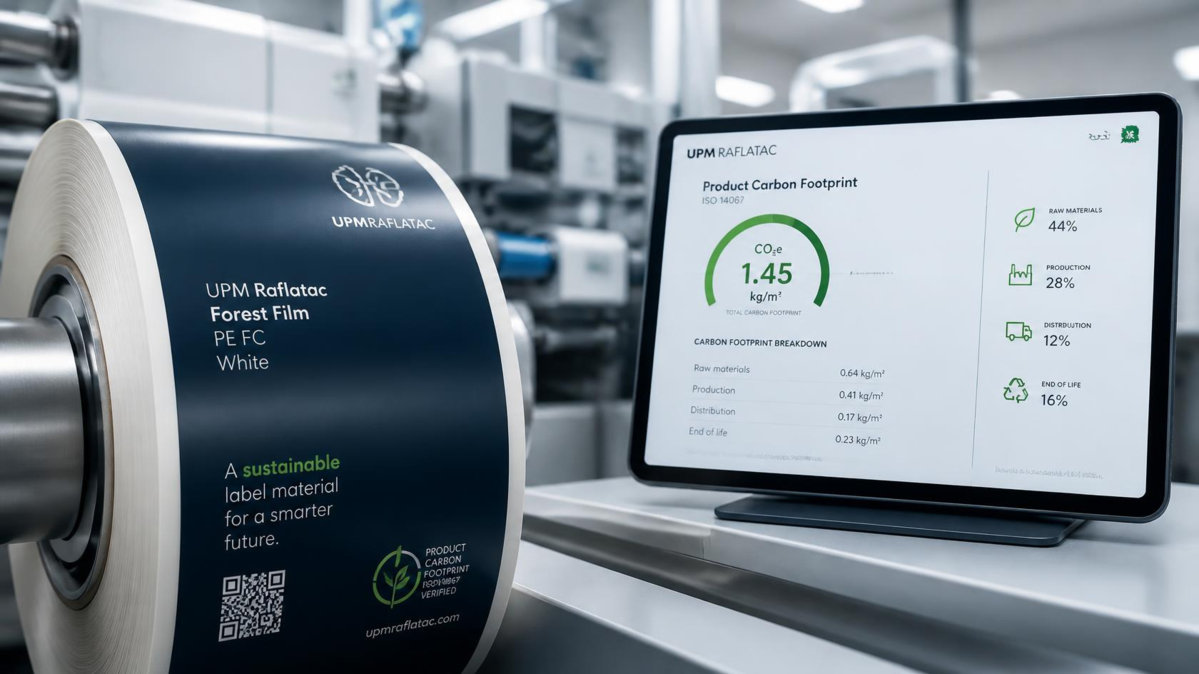
Businesses now need to quantify their carbon footprint, resource consumption, and life-cycle impact — not just to meet regulations, but to build credibility with partners, investors, and consumers.
An EPD, verified under ISO 14025, provides the universal language for this.
It transforms complex environmental data into a transparent declaration that can be compared across industries and geographies, helping companies communicate sustainability with confidence.
Institutional Partnership: Bridging Standard Setting and Implementation
The EPD Promotion Center acts as a programme operator for the EPD system —
developing Product Category Rules (PCRs), maintaining declaration databases, and overseeing the quality of third-party verification.
It defines how environmental information should be structured, calculated, and presented, ensuring consistency and credibility across sectors.
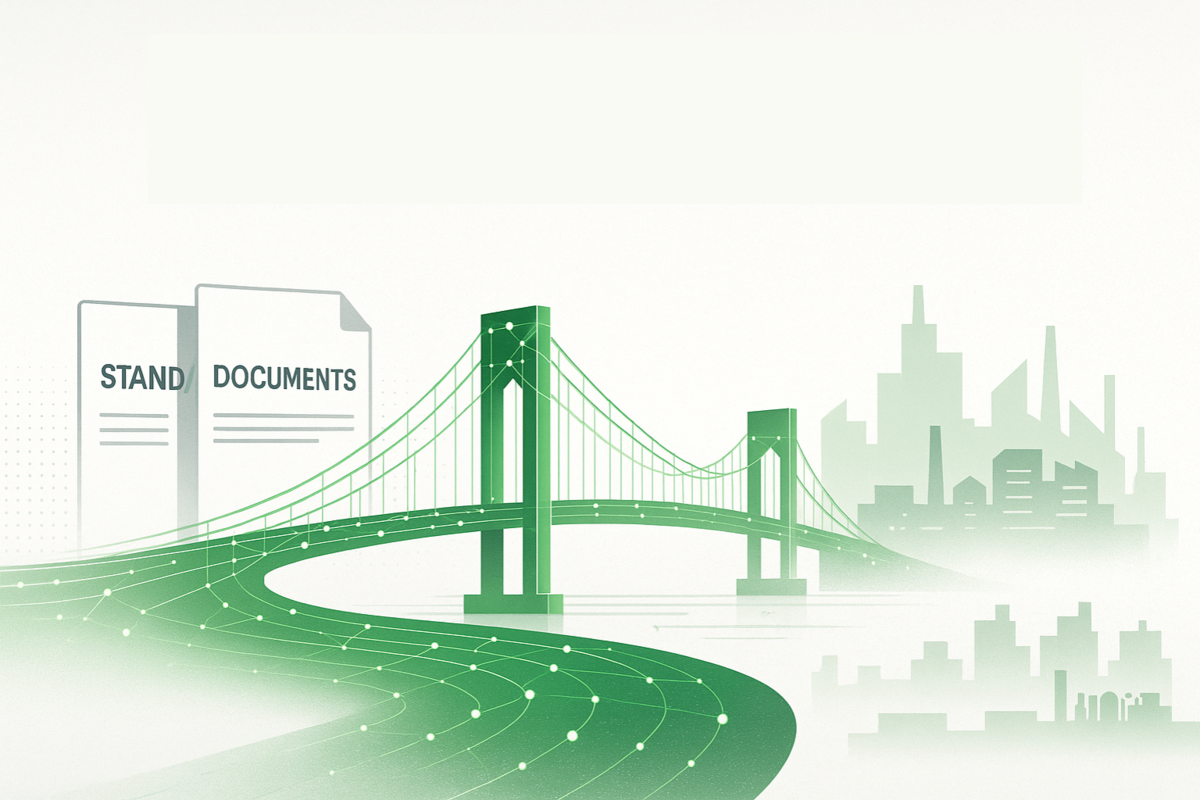
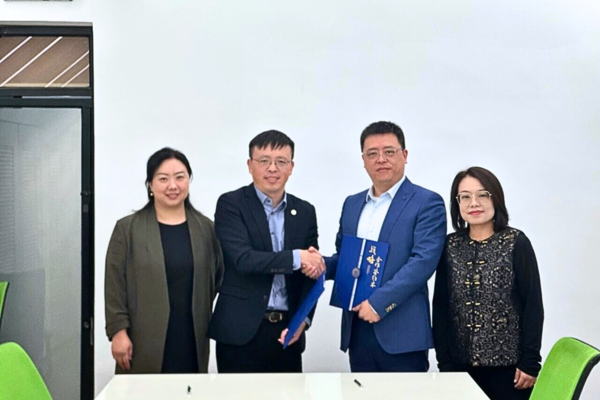
Through this institutional partnership, DQS brings its global experience in certification and sustainability verification to the system level. Together, the two organisations are building a complete ecosystem that connects standard development, data validation, and declaration publication.
This means DQS is not merely a verifier, but an execution partner in advancing ISO 14025 and LCA adoption worldwide — supporting industries to embed standardisation, transparency, and accountability into their sustainability practices.
From Compliance to Competitive Advantage: The Value of EPD
An EPD is more than a compliance document. It is a strategic tool for organisations to prove the credibility of their environmental performance. Products with EPDs demonstrate that:
- Their environmental data has been independently verified through LCA methodologies;
- Carbon footprint and resource use are reported in a transparent and comparable format;
- Their declarations are compatible with international EPD systems and databases.
As global buyers, investors, and certification bodies (such as LEED and BEAM Plus) increasingly rely on EPDs for procurement and rating decisions, this certification is becoming a mark of trust — enabling companies to strengthen ESG ratings, win green procurement bids, and access new markets.
Enabling Regional and International Connectivity
Through its partnership with the EPD Promotion Center, DQS is connecting regional industries with globally recognised standards in EPD verification, ISO 14025 compliance, and LCA data assurance.
The collaboration allows one verified EPD to be accepted across multiple markets — giving manufacturers a consistent, comparable framework for environmental disclosure and recognition.
For enterprises in Asia and beyond, this means simpler cross-border sustainability communication and a stronger foundation for ESG governance.
It also highlights DQS’s commitment to helping companies build international credibility through standardisation and verified transparency.
Data as the Language of Sustainable Trust
The rise of EPD marks a shift towards measurable sustainability — a world where data speaks louder than promises. In this environment, transparency is no longer a burden; it is the foundation of confidence.
DQS will continue to collaborate with standardisation bodies, industry partners, and sustainability leaders to strengthen mutual recognition in EPD, LCA, and ESG verification frameworks. By turning sustainability into data, and data into trust, DQS empowers organisations to achieve credible, data-driven sustainability across the global value chain.
In sustainability, trust is built not by words — but by standards.
Services Offered by DQS HK