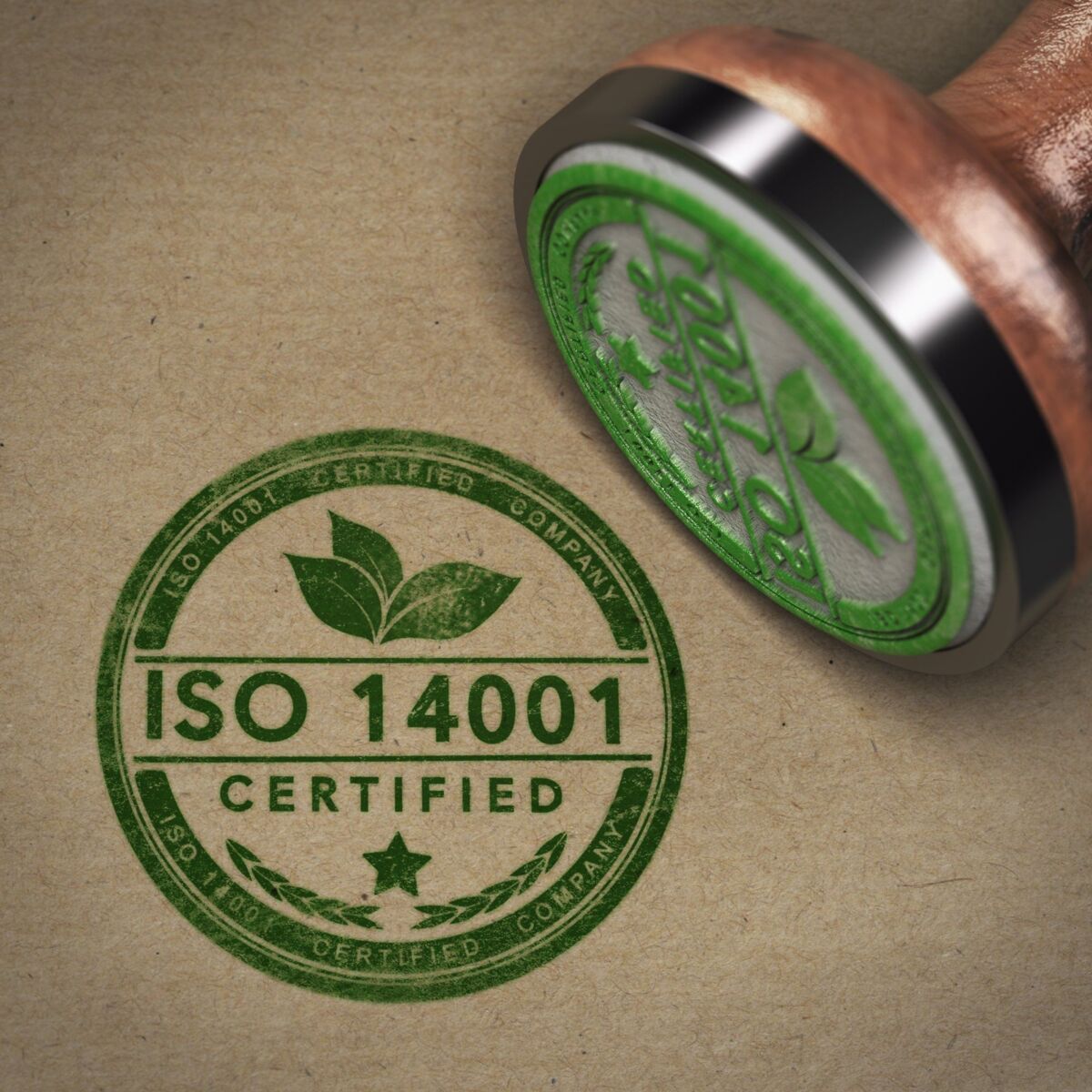
The revision of the new version of the ISO 14001 standard is underway.
Loading...
ISO 14001:2026 to be published soon

Loading...
Draft of the new version of ISO 14001
The draft revision of the new ISO 14001 standard published by ISO is currently at a critical stage. However, it is currently only a draft and has not yet advanced to become a full draft international standard (DIS).
There is uncertainty as to whether it will pass the 12-week voting process that follows, and there is a chance that the final version, which is expected by the general public, will be released in January 2026 or thereabouts.
Major Revisions
In terms of the main revisions, this revision focuses on a number of key areas. Significant efforts have been made to improve the clarity and consistency of the clauses, as well as their compatibility with other standards. For example, efforts have been made to maintain consistency with the ISO harmonization framework, so that the entire standard system can be more coordinated and unified; the clarity of the clauses has been enhanced, so that users can understand the requirements more clearly; and the guidance in Appendix A has been refined, so as to provide a clearer guideline for practical operation.
In terms of specific provisions, there are also many noteworthy adjustments. The inclusion of climate change elements in the relevant provisions is an important step in response to the global trend of addressing climate change, which helps organizations to better consider climate factors in environmental management. The addition of a life-cycle perspective allows organizations to consider the environment throughout the entire life cycle of a product or service, from raw material acquisition to final disposal, in the course of management, thus achieving more comprehensive environmental management.
The planning framework has also been changed, and a new clause on change management has been added. This new clause can help organizations effectively identify, assess and respond to the impact of internal and external changes on the environmental management system, enhance the flexibility and adaptability of the system, and ensure that the organization can still maintain good environmental performance in the face of various changes.
Transitional Arrangements
Talking about the transition arrangement, after the official release of the standard, the organization will have a transitional period to update its own environmental management system. Considering the relatively limited scope of this revision, the transition period may be shorter than the conventional three-year transition period for ISO management system standards.
Specific transition rules are expected to be published in spring 2025, and organizations need to pay close attention in order to make appropriate preparations in advance to ensure that the system is updated and continues to meet the requirements of the new version of the standard during the transition period.
DQS Related Services
Author
DQS Hong Kong
DQS – Leveraging Quality, Driving Success.
DQS empowers organizations worldwide to build trust, drive innovation, and achieve sustainable growth by certifying the future of business. Founded in 1985, DQS has grown into a global leader in the assessment and certification of management systems, with a team of 3,000 highly qualified auditors delivering over 130,000 audit days per year in more than 60 countries. Through internationally recognized certifications across 200+ standards, DQS helps businesses manage risks, ensure compliance, and unlock new opportunities in an evolving regulatory and business landscape.
Thinking beyond compliance, DQS is a trusted partner for digitalization, automation, and sustainability leadership. The company’s expertise covers a wide range of areas, spanning from cybersecurity and AI governance to ESG compliance, supply chain management, medical device safety, and future mobility, delivering real value to industries in their pursuit of resilient, sustainable, and intelligent systems. By leveraging advanced auditing methodologies, predictive analytics, and real-time insights, DQS supports organizations to future-proof their operations while demonstrating their commitment to excellence and responsible business practices.

Loading...