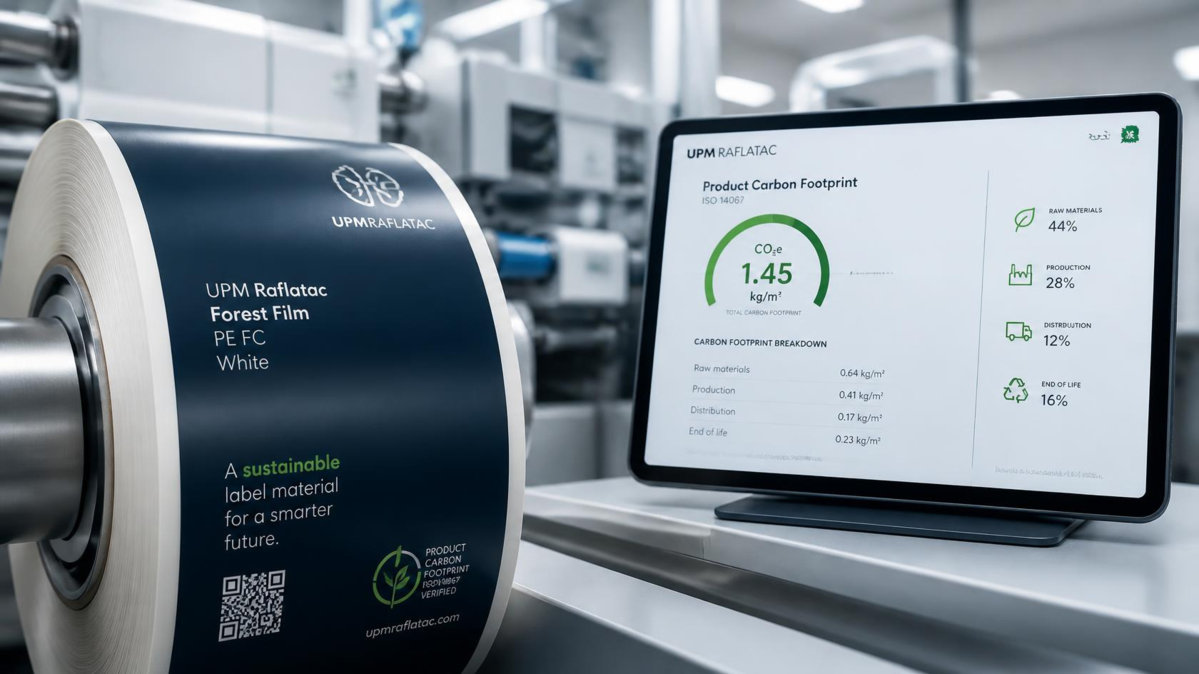
ISCC PLUS is one of the most recognized certification systems enabling the circular economy shift—providing a transparent, auditable framework for circular, biobased, and renewable materials.

Loading...
How ISCC PLUS Certified Companies Drive Circular Economy Transformation

Loading...
A circular economy redefines growth by keeping resources in use longer, focusing on reuse, recycling, and regeneration. It has become essential in today’s landscape of rising regulation, resource scarcity, and market demand for verified sustainability.
In the global economy, ISCC PLUS is one of the most recognized certification systems enabling the circular economy shift. It provides a transparent, auditable framework for circular, biobased, and renewable materials.
As an accredited certification body, DQS helps organizations translate circular goals into credible, verified outcomes. For example, a packaging manufacturer in Arizona uses ISCC PLUS certification to verify the use of recycled polymers in its production, ensuring traceability from waste collection through to final product delivery. Dive in to find out if ISCC PLUS applies to your current situation, and what the audit process might look like for your company.

Loading...
The Financial and Strategic Value of ISCC PLUS Certification
ISCC PLUS may be born in your organization as a sustainability milestone, but it’s a strategic business advantage when applied. Here’s how companies can expect their operations, finances, and branding to change once the standard implemented:
- ISCC PLUS reduces risk exposure by ensuring verified sourcing and minimizing greenwashing claims.
- Aligns procurement and ESG frameworks through credible supplier evaluation.
- Differentiates brands in the market by demonstrating verified circularity.
- Improves operational efficiency through better resource and waste management.
From Concept to Certification: 5 Steps with DQS to ISCC PLUS Audit Success

Loading...
Step 1
Understanding Your Scope
The first step is to identify which materials and processes fall under ISCC PLUS, such as biobased feedstocks, recycled inputs, or renewable raw materials. DQS helps companies define certification boundaries and interpret system requirements to ensure alignment from the start.
Loading...
Step 2
Preparing Documentation & Internal Systems
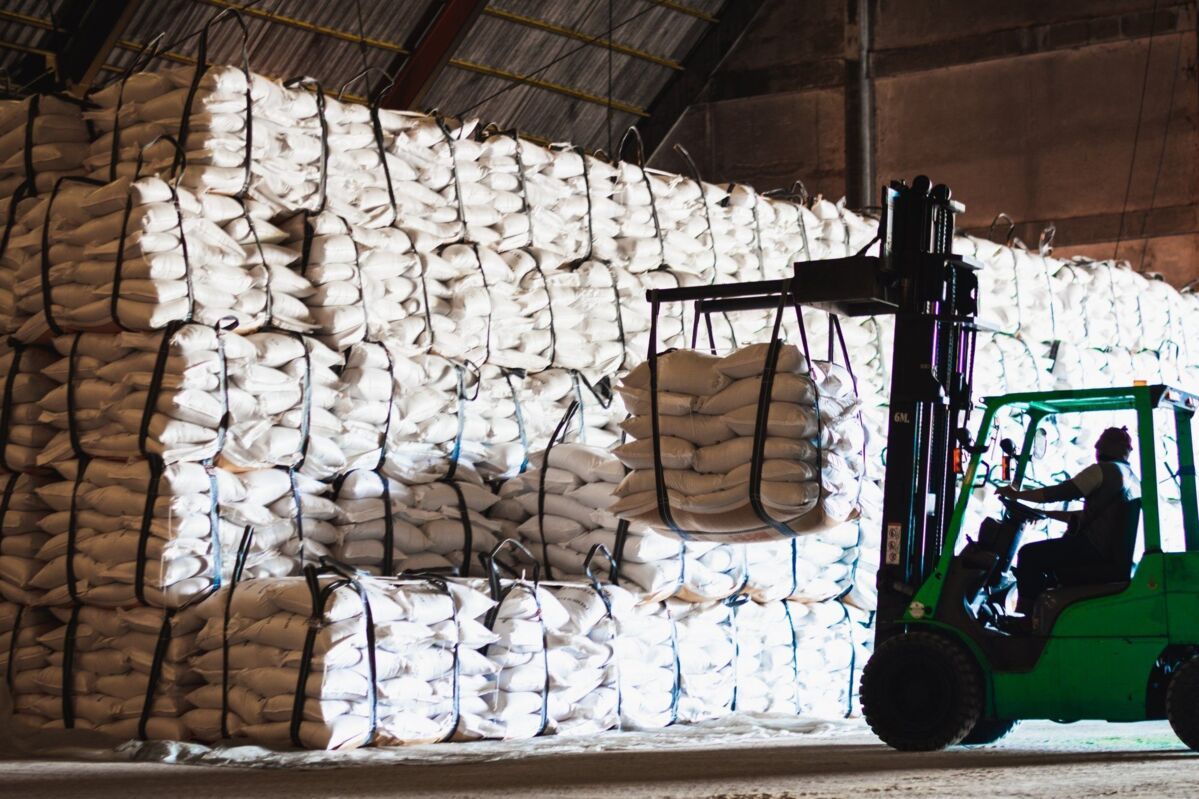
ISCC PLUS depends on traceability. Organizations must document supplier linkages, mass balance records, and sustainability declarations. Through readiness reviews, DQS ensures data accuracy and documentation completeness before the formal ISCC PLUS audit begins.

Loading...
Step 3
Conducting the ISCC PLUS Audit
During the audit, a DQS assessor evaluates traceability systems, sustainability claims, and material flow balances through documentation checks, site inspections, and interviews. This phase confirms whether internal systems accurately reflect real material flows and sustainability performance.

Loading...
Step 4
Addressing Nonconformities
When findings arise, DQS provides clear, actionable feedback to guide corrective actions. The focus is on transparency and continuous improvement, helping companies close gaps quickly and strengthen compliance systems.
Loading...
Step 5
Certification and Continuous Improvement
Upon successful completion, companies receive their ISCC PLUS certificate, valid for one year. Regular surveillance audits ensure ongoing credibility and verified progress toward circular transformation.
North American Momentum in Circular Transformation
Across North America, industries are accelerating ISCC PLUS adoption to meet emerging sustainability and disclosure requirements. Not to be confused with the ISCC EU certification, the ISCC PLUS certification involves state-level regulations, such as recycled content mandates and extended producer responsibility (EPR). These are pushing companies to adopt traceable systems that verify circularity claims.
For example, a US chemicals manufacturer may use ISCC PLUS to validate circular feedstock integration, while a consumer goods company might certify packaging materials to prove recycled content claims. Together, these actions signal a broader regional trend: corporate sustainability goals are converging with verified certification frameworks.

Loading...
Canadian Clean Fuel Regulation
Incentivizing Low‑Carbon Biofuels
Environment and Climate Change Canada endorsed the ISCC Canada CFR scheme—which is built on ISCC PLUS requirements—as an approved certification system under section 62 of the Clean Fuel Regulations (CFR).
The CFR aim to reduce the lifecycle carbon intensity of transportation fuels and spur investment in clean fuel technologies. In Canada, fuel suppliers are required to cut the carbon intensity of gasoline and diesel by about 15 % below 2016 levels by 2030. By focusing on carbon intensity rather than simple volumetric blending, the CFR rewards fuels with verified low lifecycle emissions such as ethanol, biodiesel and renewable diesel.
By increasing demand for low‑carbon intensity fuels derived from agricultural crops—for example, canola—the CFR also opens the door to forest‑based biofuels: eligible feedstocks include forest biomass from fire‑prevention or clearing activities, crop residues, by‑products of wood‑processing operations, and used fats and oils, to name a few. To protect ecosystems, harvesting forest biomass under the CFR must follow a forest‑management plan that ensures timely regeneration, maintains soil and water quality, and safeguards biodiversity.
For companies pursuing ISCC PLUS certification, the CFR reinforces the business case for traceable, low‑carbon feedstocks.
Both frameworks emphasize lifecycle carbon accounting and verifiable sourcing. Why not cover both bases?
Partner with DQS for Credible Circular Transformation
Independent verification is the foundation of trust in sustainability claims. DQS enables companies to turn ambition into measurable, verifiable progress through globally consistent ISCC PLUS audits.
What Is ISCC PLUS: A Framework for Circular Progress
ISCC PLUS covers biobased, circular, and renewable material streams across all industries. It complements established management systems such as ISO 14001 and ISCC EU, creating a coherent sustainability ecosystem based on traceability and accountability.
By providing a unified framework for transparent and verifiable circular practices, ISCC PLUS helps organizations demonstrate real environmental progress—not just promises.
Author
Frank Dorssers
Dorssers' role and experience has a specific focus on social, environmental and due diligence reporting.

Loading...