ESG Disclosure for Hong Kong Listed Companies: Mandatory by Rule
All companies listed on the Hong Kong Stock Exchange (HKEX) — including the Main Board and GEM — are required to publish an annual ESG report under:
HKEX Listing Rules, Appendix C2 – Environmental, Social and Governance Reporting Code
For listed issuers:
Publishing an ESG report is not voluntary. It is part of ongoing listing compliance.
“Mandatory” does not mean every metric is compulsory
Hong Kong applies a “Comply or Explain” framework:
- ESG reporting itself: mandatory
- Certain ESG disclosures:
- either comply, or
- clearly explain why the issuer has not yet complied
However, in practice, explanations are increasingly scrutinised by investors, ESG rating agencies, lenders and regulators. Weak or generic explanations are often treated as a governance red flag.
Climate Disclosure: Moving from Flexibility to Substantive Obligation
Climate-related disclosure is the most significant regulatory development in Hong Kong ESG reporting.
According to HKEX’s recent enhancements:
Listed companies are expected to provide more structured climate-related disclosures, aligned with ISSB / IFRS S2 principles.
- From 2026 (key milestone)
For LargeCap listed issuers, certain climate disclosures will move beyond “comply or explain” and become effectively mandatory.
This marks a shift from principle-based disclosure to structured, data-driven and verifiable reporting.
Non-Listed Companies: Not Legally Mandatory — Yet
From a legal perspective:
- Hong Kong currently has no general law requiring all companies to publish ESG reports.
- Private companies, SMEs and non-listed entities are not automatically subject to ESG disclosure obligations.
That said, this legal position does not reflect commercial reality.
ESG as a De Facto Requirement for Non-Listed Companies
In Hong Kong, ESG requirements increasingly arise through commercial and financial channels, including:
- Banks and financial institutions requesting ESG or climate risk information for credit assessment
- Multinational customers requiring ESG disclosures from Hong Kong suppliers
- Listed companies imposing ESG data requirements on their supply chains to meet their own HKEX obligations
As a result, many non-listed companies face a practical reality:
ESG disclosure may not be legally mandatory, but it is increasingly a condition for financing, contracts and long-term partnerships.
Why “System-Backed ESG” Matters More Than ESG Reports
Stakeholders are asking a more sophisticated question:
“Has this ESG information been independently verified?”
In Hong Kong, ESG credibility is increasingly assessed through:
- Third-party ESG assurance
- Recognised management system certifications, such as:
- ISO 14001 (Environmental Management)
- ISO 45001 (Occupational Health & Safety)
- ISO 37301 (Compliance Management)
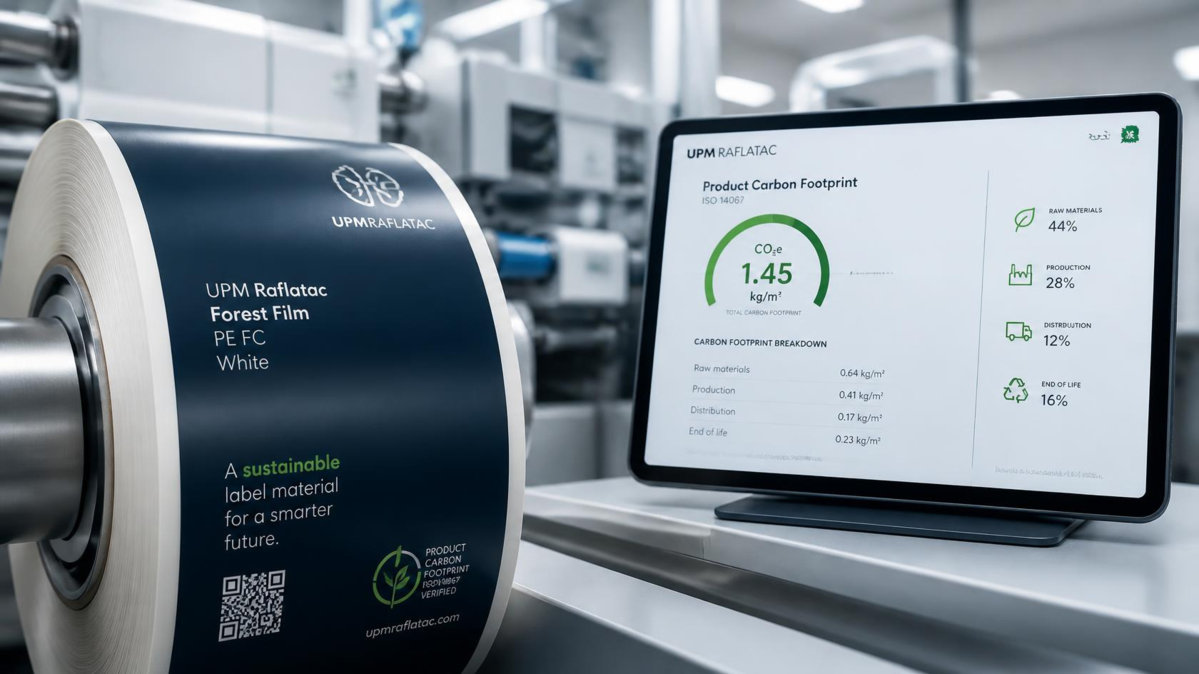
- ISO 14064 / ISO 14067 (carbon and climate data)
An ESG report without systems and verification is often treated as insufficient for regulatory, investor or customer confidence.
A Practical ESG Preparation Roadmap for Hong Kong Companies
A regulator- and market-aligned approach typically involves five steps:
- Identify applicable ESG requirements(HKEX rules, customer codes, financing conditions)
- Conduct an ESG gap analysis(governance, data, controls, documentation)
- Establish ISO-based management systems to support ESG commitments operationally
- Implement data governance and internal review processes to ensure traceability and consistency
- Obtain independent ESG assurance to enhance credibility and external acceptance
Key Takeaway for the Hong Kong Market
In Hong Kong, ESG disclosure is mandatory for listed companies under HKEX rules.
For non-listed companies, it is not yet legally required, but is rapidly becoming a market access requirement driven by investors, banks and global supply chains.
Companies that rely solely on narrative ESG reporting face increasing risk.
Those that invest early in verifiable systems and independent assurance are better positioned for regulatory change and long-term trust.
Services Offered by DQS HK