EcoVadis is the world’s leading sustainability and ESG rating platform for supply chains, covering over 200 industries and 130,000+ companies worldwide. For organizations aiming to enter international markets or join global supply chains, EcoVadis scores have become an essential “green passport.”
With stricter global regulations (EU CSRD, German Supply Chain Act, US SEC climate disclosure), companies need to show authentic ESG commitments to stay competitive.

Loading...
Updates to EcoVadis Scheme
Loading...
What Are the Major Changes in EcoVadis 2025?
More Precise Scoring
Starting January 2025, all theme scores will be shown as whole integers (e.g., 52/100), replacing decimal formats.
This shift ensures greater transparency and makes ESG performance easier for stakeholders to interpret.
New Theme Indicator Tables
To strengthen the four core themes — Environment, Labor & Human Rights, Ethics, and Sustainable Procurement — EcoVadis has introduced more detailed indicators covering policies, actions, and certification scope.
At the same time, an impact weighting scale has been added to prioritize key topics, driving companies from commitment to concrete action and enhancing transparency.
Expanded Industry Categories
More ISIC industry codes have been added, including military manufacturing, agriculture, and specialized services.
Companies can no longer rely on generic templates and must tailor disclosures to specific operations.
Stricter Medal Thresholds
- Platinum: Top 1% (≥77 points)
- Gold: Top 5%
- Silver: Top 15%
- Bronze: Top 35%, with a minimum of 61 points
Minimum score required for any medal: 30 points
These new thresholds reflect higher global expectations for transparency and genuine improvement.
Why EcoVadis Is More Than Just a Score
Strengthening Global Brand and Supply Chain Influence
A strong EcoVadis score is not merely a compliance symbol — it signals accountability to major clients, retail giants, and procurement partners worldwide.
Reducing Operational and Market Risks
By improving ESG systems and disclosures, companies can better handle supply chain disruptions, social scrutiny, and cross-border regulatory penalties.
Unlocking New Financing and Partnership Opportunities
Many green bonds, ESG-linked loans, and global procurement projects now consider EcoVadis scores as a critical evaluation metric.
How Can Companies Prepare and Build an Advantage?
Conduct an Early ESG Gap Analysis
Regularly assessments of current practices against updated EcoVadis requirements and develop a clear, phased improvement roadmap.
Enhance Data Governance and Transparency
Implement unified ESG data platforms to track carbon emissions, supply chain audits, labor welfare, and more — ensuring reliable and verifiable data.
Establish Cross-Functional ESG Collaboration
Integrate ESG goals into annual KPIs and build cross-departmental governance (procurement, legal, HR, operations), promoting company-wide sustainability ownership.
Leverage Certifications and Technology Tools
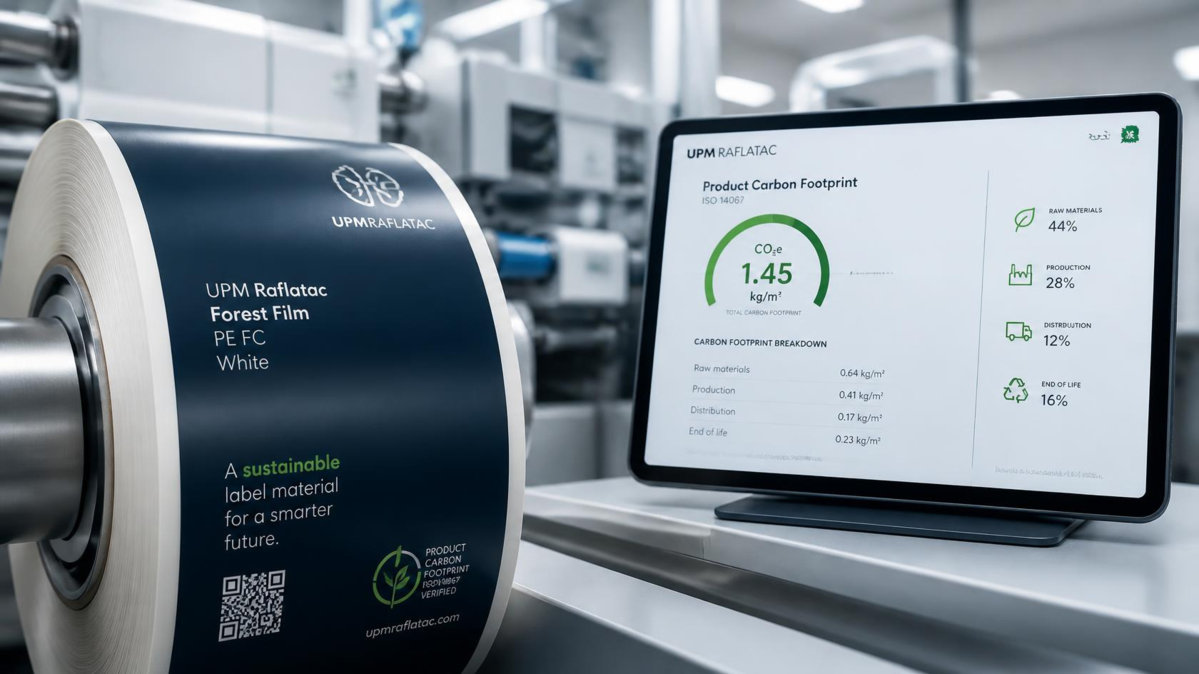
Combine ISO 14064 (carbon footprint), ISO 14067 (product carbon footprint), and life cycle assessment (LCA) for stronger evidence. Use AI and digital supply chain tools to enable real-time monitoring and risk alerts.
Common Concern: Is It Difficult to Achieve a High Score?
Many companies worry that EcoVadis is "too difficult" or "too costly." In reality, a high score is not about a one-time effort but about continuous improvement and operational transparency.
Some global companies have already embedded EcoVadis scores into their strategic KPIs, transforming compliance pressure into a competitive advantage and innovation driver.
Conclusion: From Compliance to Excellence
The 2025 updates mark EcoVadis' transformation from a compliance tool into a global competitiveness amplifier. Proactive planning and ongoing optimization are essential for companies aiming to lead on the international sustainability stage.
Services Offered by DQS HK
Author
DQS Hong Kong
DQS – Leveraging Quality, Driving Success.
DQS empowers organizations worldwide to build trust, drive innovation, and achieve sustainable growth by certifying the future of business. Founded in 1985, DQS has grown into a global leader in the assessment and certification of management systems, with a team of 3,000 highly qualified auditors delivering over 130,000 audit days per year in more than 60 countries. Through internationally recognized certifications across 200+ standards, DQS helps businesses manage risks, ensure compliance, and unlock new opportunities in an evolving regulatory and business landscape.
Thinking beyond compliance, DQS is a trusted partner for digitalization, automation, and sustainability leadership. The company’s expertise covers a wide range of areas, spanning from cybersecurity and AI governance to ESG compliance, supply chain management, medical device safety, and future mobility, delivering real value to industries in their pursuit of resilient, sustainable, and intelligent systems. By leveraging advanced auditing methodologies, predictive analytics, and real-time insights, DQS supports organizations to future-proof their operations while demonstrating their commitment to excellence and responsible business practices.

Loading...