
How Security, Resilience, and AI Are Transforming Our Businesses – and Us

The world has changed. Digitalization, AI, supply chain risks, geopolitical uncertainties, and rapid technological change are presenting companies with a new security landscape. Traditional security measures – firewalls, access controls, and policies – are no longer sufficient on their own. A shift in thinking is needed. After all, we have only just begun to understand what security truly means today – and what it must mean tomorrow.
A New Era in Security

The three pillars of the future are: security, resilience, and artificial intelligence (AI). But these three concepts are more than just buzzwords – they are guiding principles for managing businesses in the 21st century. And they challenge us all: as organizations, as leaders, and as individuals.


Rethinking Security – In the Age of Smart Threats

Security is no longer just about infrastructure—it’s about intelligence. That’s because attacks come not only through ports and protocols, but also through people, processes, and artificial intelligence.

Cybercrime is highly automated. Deepfakes deceive employees. Phishing is personalized. AI-generated malware is a reality.
 

What does this mean for businesses? They must:

  • Designing security to be dynamic and adaptive
  • Relying on behavior-based security systems
  • Detecting attack patterns early using AI security tools
     

The EU's AI Act requires that AI be used in a trustworthy – and therefore secure – manner. Security and data protection departments are converging. The CISO is becoming an AI strategist.

Resilience: The ability to cope with uncertainty

Resilience is the new superpower of business leadership. This doesn’t mean invulnerability, but rather the ability to respond to crises with flexibility, preparedness, and adaptability – whether it’s a supply chain disruption, a cyberattack, or a social media backlash.

Three regulations are driving this issue forward:

  • Supply Chain Due Diligence Act (LkSG): Focus on transparency and risk assessment throughout the supply chain
  • NIS2: Critical infrastructure operators must systematically demonstrate digital resilience
  • CSRD: Resilience to environmental and social risks becomes a key audit consideration
     

Resilience requires more than just IT and information security: it requires simulation exercises, redundancies, leadership training, a culture of learning from mistakes—and a healthy dose of systemic curiosity.

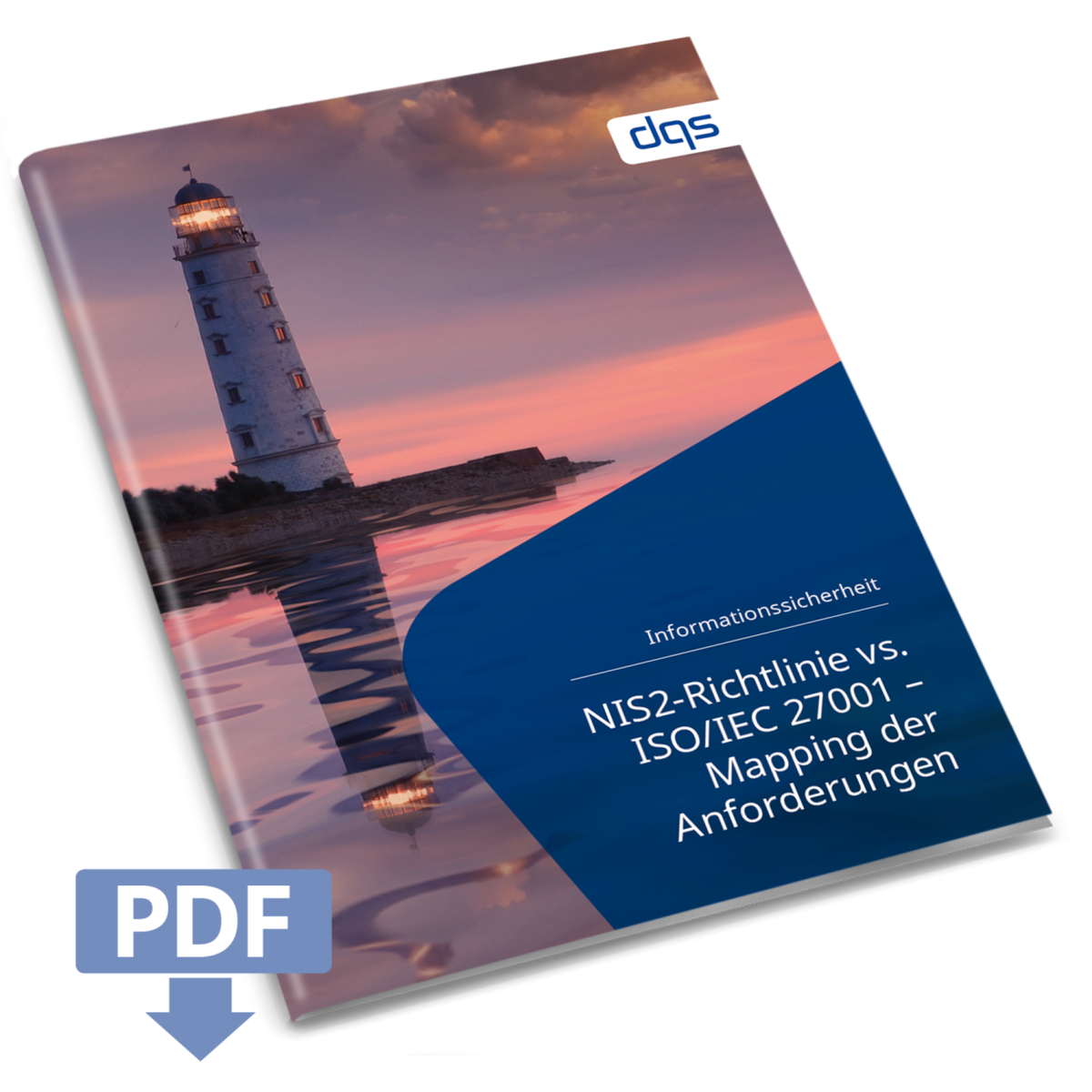
CTA cover for German whitepaper NIS2-Richtlinie vs. ISO 27001 Mapping of requirements
Loading...
Free white paper

NIS2 vs. ISO 27001

Mapping of Requirements

ISO 27001 provides a proven framework for implementing the compliance requirements of the NIS-2 Directive in a structured and effective manner. With clearly defined roles, processes, and methods, it enables organizations to implement cybersecurity measures in a transparent and sustainable way.


AI: A tool, a mirror, and a risk all at once

Artificial intelligence is a gamechanger. But it’s also a risk factor. It enables leaps in efficiency and new business models – and can overwhelm security mechanisms. Moreover, many people, even those in leadership positions, barely grasp the scope of the transformation we’re undergoing. A small circle of tech elites is already using artificial intelligence strategically. But what is AI really?

Artificial intelligence is:

  • Learning-based – and therefore difficult to predict
  • Non-transparent – many learning systems are black boxes
  • Influenced – by training data and design decisions

Yet AI has long since become more than just a digital tool. It is becoming a substitute for therapists, a relationship coach, a health coach, and a financial advisor – and it examines us in a depth that previously seemed impossible.


That is why AI governance is needed

  • Data Ethics and Data Integrity
  • Transparency Requirements
  • Explainability and Auditability
  • Human-in-the-Loop” Principles

Those who use AI bear a responsibility – not only in technological terms, but also in social terms.

The world's first management system standard specifically for AI

The new ISO/IEC 42001 addresses this very issue and provides organizations with a structured framework for the responsible and safe use of AI technologies. 

Read more in the article “Trustworthy AI: What You Should Know About ISO/IEC 42001”.

Data sovereignty – the blind spot in many security strategies

Platforms like Salesforce, LinkedIn, Apple, and Amazon know more about our companies than many decision-makers do themselves. Cell phones, wearables, apps – they all collect data. Some of it voluntarily, some of it without our knowledge. Who reads the terms of service? Who understands just how much data is being shared with how many third parties?

Data sovereignty means:

  • Regain control over data flows
  • Build data literacy
  • Ensure transparency and awareness for employees and customers as well 

Security doesn't end at the company gate. It starts when you download an app and doesn't stop when you log in to the cloud.


Recommendations for Sustainable Security

  • Align security strategy with AI and resilience
  • Actively analyze cloud and platform risks
  • Establish transparent terms of service and data sharing policies
  • Train employees, not monitor them
  • Include critical suppliers and platform providers in internal audits
  • Leverage diversity in IT infrastructure: segmentation, heterogeneity, open source
  • Embed digital ethics in the leadership team

Conclusion: The three pillars of future security are a cultural shift

Security, resilience, and AI are not just technical concepts – they reflect a new way of thinking in business. These three elements reinforce one another – and are only effective when working together:

  • Security that doesn’t isolate, but protects intelligently.
  • Resilience that anticipates change and prepares for it.
  • AI that doesn’t manipulate, but supports – within clear ethical guidelines.

 Those who understand this triad of security act in an inclusive, sustainable, and humane manner.

Trust isn't built on technology, but on attitude!

DQS – the right partner by your side

DQS can lead the way here – for companies that want to think ahead today. Because the question isn’t whether the next crisis will come. It’s how prepared we’ll be when it does. Now is the time to rethink security – together, thoughtfully, and responsibly.

DQS is your specialist for audits and certifications – for management systems and processes. With 40 years of experience and the expertise of over 2,500 auditors worldwide, we are your competent certification partner.


We conduct audits in accordance with approximately 200 recognized standards and regulations, as well as company- and association-specific standards. We were the first German certification body to receive accreditation for BS 7799-2, the predecessor to ISO 27001, in December 2000. For ISO 42001, we have been among the first certifiers worldwide to include the new standard in our portfolio since this year. This expertise continues to be a hallmark of our success story today.


Trust and Expertise

Our texts and brochures are written exclusively by our standards experts or experienced auditors. If you have any questions for our author regarding the content of the texts or our services, please feel free to send us an email: [email protected]

Author

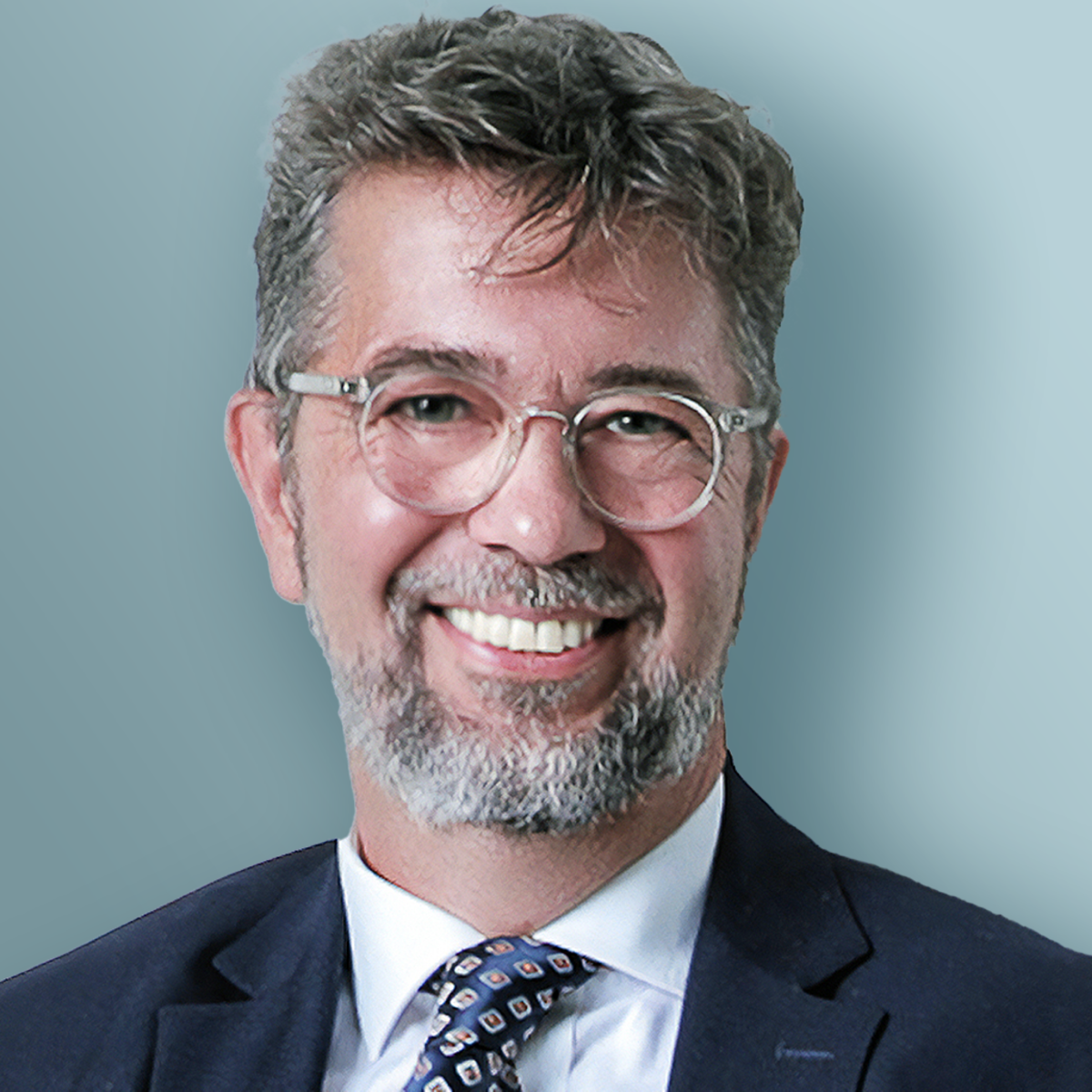
Boris Bärmichl

Boris Bärmichl is an IT all-rounder with vision. As an autodidact, he began his career in the technology sector and was already building mailbox systems in 1986 that paved the way for today’s internet. In 1990, he met Steve Jobs in person and, together with him, brought NeXT computers to southern Germany.

From the 2000s onward, his focus shifted to cybersecurity. In 2003, together with 25 other companies, he founded the “Kompetenzzentrum für Sicherheit in Bayern e.G.” and in 2005 developed the first IT helpline for Bavarian industry—a project that evolved under his leadership into a cyber defense center.

In 2008, Bärmichl was appointed to the board of the Bavarian Association for Security in Business (BVSW), with a focus on protecting IT and telecommunications. Today, he works for InfoGuard’s Cyber Defence Center in Switzerland and is also helping to build up InfoGuard Germany’s business. Since 2024, he has once again been working more intensively as a technology scout, with a focus on the meaningful and secure use of artificial intelligence.

Loading...

You Might Also Enjoy These Reads

Discover more articles that dive deep into related themes and ideas.
Blog
Loading...

AWS and Azure Are ISO 27001 Certified — But That Doesn't Mean Your Company Is

Blog
Loading...

NIS-2 for Managing Directors: Duties, Liability, and Implementation

Blog
Loading...

Why ISO 42001 is the Essential Strategic Upgrade to Your ISO 27001 Certification