Water is one of the most critical resources for sustaining life and industry. With increasing pressure on freshwater availability, organizations are realizing the importance of managing water responsibly.

The ISO 46001:2019 Water Efficiency Management System (WEMS) provides a structured framework for organizations to manage and reduce water usage, based on the 3R principles – Reduce, Reuse, and Recycle.

This standard helps organizations systematically evaluate, plan, and execute water utilization strategies, thereby reducing dependence on freshwater withdrawals for their operations.

This article explores:

  • How ISO 46001 aligns with other ISO management systems for easy integration.
  • The key technical requirements, such as water measurement, balancing, and efficiency KPIs.
  • The benefits and pathways toward water neutrality and circularity.

Understanding Water-Related Terminologies:

Water terminology is often inconsistently used across industries. Terms such as water consumption, water withdrawal, and water disposal can have varying interpretations.

To ensure clarity, organizations should align with definitions provided in ISO 46001 (WEMS) and ISO 14046 (Water Footprint). A short glossary is included at the end of this article for reference.
 

ISO 46001: Alignment with Other Management Systems:

The ISO 46001:2019 standard was developed shortly after the updated ISO 50001:2018 (Energy Management System) and follows the same High-Level Structure (Annex SL) adopted across ISO management standards.

Like other management systems, WEMS involves:

  • Understanding the organizational context and stakeholder requirements,
  • Identifying risks and opportunities related to water use,
  • Conducting a comprehensive water use review,
  • Setting objectives, targets, and action plans,
  • Ensuring adequate resources and competencies,
  • Monitoring water data and performance indicators, and
  • Undertaking internal audits, management reviews, and corrective actions.

Because of this structural similarity, WEMS can be seamlessly integrated into existing systems such as ISO 14001 (Environmental Management) or broader ESG (Environmental, Social, and Governance) frameworks. It can also support progress toward the UN Sustainable Development Goals (SDGs), particularly SDG 6 – Clean Water and Sanitation.

ISO 46001: What’s Unique to Water Management:

The core of WEMS lies in the Water Use Review. This process enables an organization to systematically understand how water is used, consumed, and reclaimed across its operations.

Steps to Implement WEMS:

  1. Conduct a Water Balance:
       - Identify all activities and functions using water.
       - Record water use for each process or function.
     - Determine how each process affects water quality, enabling segregation and recycling.
       - Account for all water inflows and outflows to ensure a balanced system.
     
  2.  Identify High-Use and Low-Quality Streams: Determine which activities consume the most water or generate poor-quality effluent.
     
  3. Assess Reusability and Recyclability: Evaluate whether water streams can be treated and reused on-site to reduce freshwater withdrawals.
     
  4. Eliminate Avoidable Losses: Identify points where water loss can be economically prevented without compromising product quality or stakeholder expectations.
     
  5. Analyze Usage Patterns: Study past and present water use, identify influencing parameters, and, if possible, model future consumption trends.
     
  6. Establish Water Efficiency KPIs: Calculate water efficiency for key processes and set measurable performance indicators.
     
  7. Identify Improvement Opportunities: Prioritize actions to enhance water efficiency and document them.

Once this review is complete, organizations can set measurable objectives and targets, develop action plans, and allocate resources for implementation.
Continuous monitoring of water consumptionboth at process and entity levels is critical. Deviations between projected and actual water efficiency should be investigated and addressed promptly.
The findings and results should be communicated to key stakeholders, including top management, regulators, and local communities.
 

Expected Outcomes and Benefits

Like other ISO management systems, WEMS follows the Plan-Do-Check-Act (PDCA) cycle, driving continuous improvement.

However, its benefits extend beyond efficiency:

  • Reduced freshwater dependency through better water reuse and recycling,
  • Enhanced sustainability performance contributing to ESG goals.
  • Support for water neutrality and water positivity, especially when combined with initiatives for aquifer recharge and ecosystem restoration, and
  • Progress toward circular economy objectives.

The ISO 59020:2024 (Circular Economy) standard introduces water circularity indices for measurement and reporting. WEMS can help organizations achieve higher circularity scores and close the loop on water usage.

ISO 46001 certification

ISO 46001 is a standard for certifying water efficiency management systems (WEMS). The standard ensures that WEMS lead to efficient and sustainable use of water. It identifies requirements and provides flexible guidance for implementing and maintaining water efficiency management systems in organizations.

ISO 46001 - More In­form­a­tion

Glossary:

Water use: amount of water used.

- The amount of water used can be described and quantified by one or more business activity indicators, for example m3 of water/kg of product; l/person supplied; m3 of water/guestroom.

- “Used” in this context means the gross amount required in the course of the business activity, including the amounts of both new drinking water and reclaimed water.

Water consumption: portion of water use that is neither returned to the original water source after being withdrawn nor available for reclamation.

For example, Consumption occurs when water is lost to the atmosphere through evaporation or incorporated into a product or plant (such as a corn stalk) and is no longer available for reclamation.

Water efficiency indicator: amount of water used per unit of business activity indicator, for example: m3 of water/kg of product; l/person supplied; m3 of water/guestroom.

Business activity indicator: measure of business activity  that takes into account core business operations specific to the application site, for example,  Quantity of products produced, number of staff and visitors, number of guestrooms

Types of water:

Reclaimed water: reused water, recycled water, non-drinking water wastewater that has been treated to meet specific water quality requirements,

- Examples of  treatment technologies include microfiltration, reverse osmosis and/or ultraviolet disinfection

- ‘Reduce’ includes the use of water-efficient fittings and equipment and, for example, putting in place a proper monitoring system for usage and leak detection.

- ‘Replace’ includes substitution of drinking water with reclaimed water, sea water and rainwater wherever feasible.

- ‘Reuse’ includes recycling of, for example, process water or grey water. For utilizing water reuse systems, ISO/TC 282 documents can be referred to as guidelines.

Freshwater water:  having a low concentration of dissolved solids.

-Freshwater typically contains less than 1 000 mg/l of dissolved solids and is generally accepted as suitable for withdrawal and conventional treatment to produce potable water.

Brackish water: water containing dissolved solids at a concentration less than that of seawater, but in amounts that exceed normally acceptable standards for municipal, domestic and irrigation uses.

- The concentration of total dissolved solids in brackish water can vary from 1 000 mg/l to 30 000 mg/l

Surface water: water in overland flow and storage, such as rivers and lakes, excluding seawater

Seawater: water in a sea or an ocean

Groundwater water: which is being held in, and can be recovered from, an underground formation

Fossil water: groundwater that has a negligible rate of natural recharge on the human time-scale

Greywater:  wastewater from bathtubs and showers, hand basins, kitchen sinks, clothes washing and laundry tubs but excluding excreta and trade effluent

It excludes used water from urinals or toilet bowls.

Trade effluent: liquid, including particles of matter and other substances in suspension in the liquid, which is the outflow from any trade, business or manufacture or of any works of engineering or building construction

We will be happy to answer your questions

What are the requirements for certification ? And what effort do you have to expect? Find out for yourself. Non-binding and free of charge.

We look forward to hearing from you!
Author

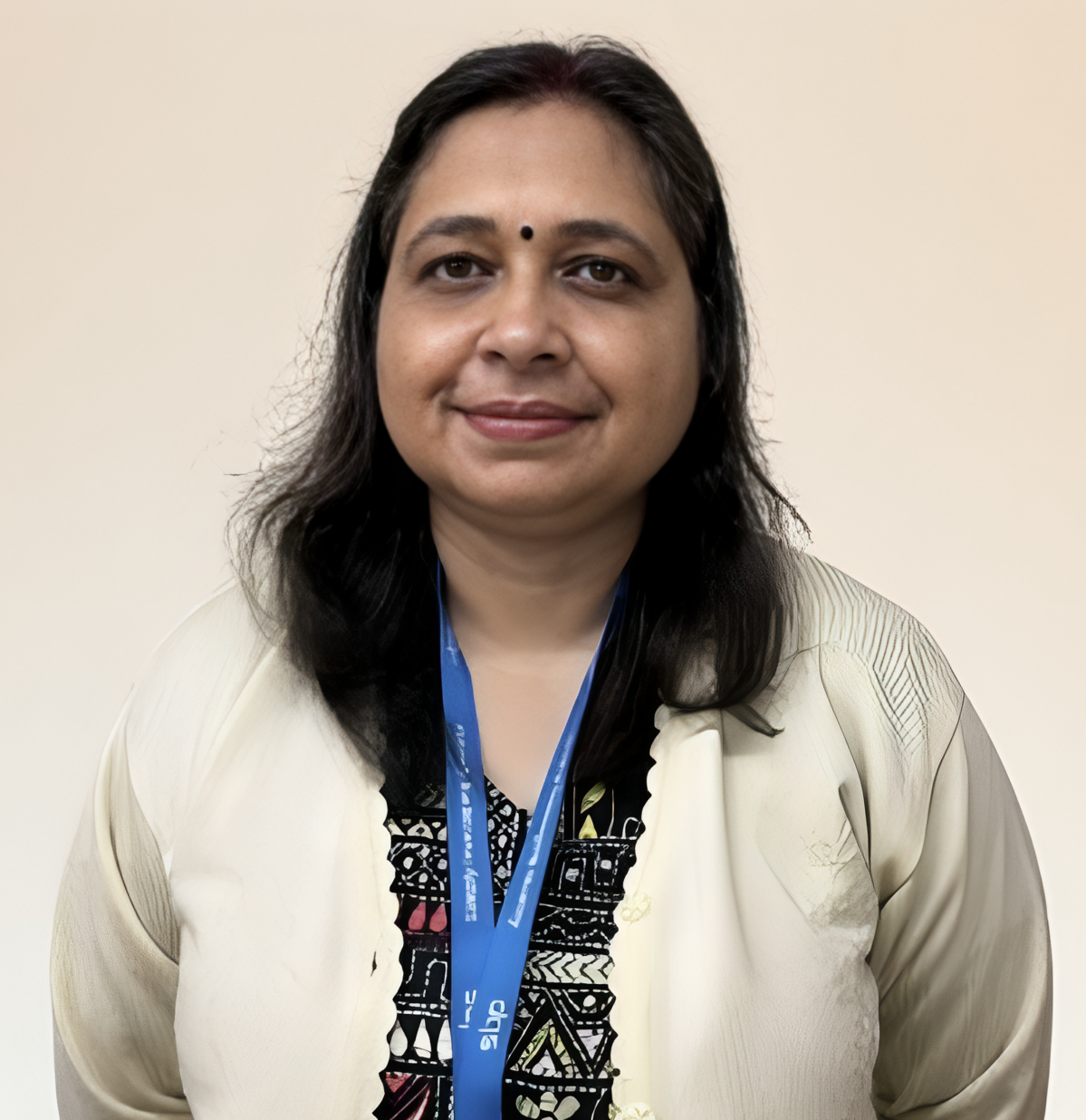
Mohua Banerjee De

Mohua Banerjee De is an accomplished trainer with over 600+ Mandays of experience in delivering professional training programs across sustainability and ISO management systems. She has conducted 35+ specialized trainings on Carbon Footprinting, enabling organizations to effectively measure and manage their carbon emissions.

Apart from Carbon Footprinting, she has also delivered 30+ trainings as a GRI Certified Trainer on behalf of the GRI Academy, focusing on global best practices in sustainability reporting. Her expertise extends to ESG Integrated Reporting, BRSR (Business Responsibility and Sustainability Reporting), and Sustainable Procurement based on ISO 20400 standards.

Additionally, Mohua Banerjee De is an IRCA-certified trainer for Lead Auditor (LA) courses for multiple ISO standards including ISO 9001 (Quality), ISO 14001 (Environment), ISO 50001 (Energy), ISO 55001 (Asset Management), equipping professionals with both theoretical knowledge and practical implementation skills.

Loading...

You Might Also Enjoy These Reads

Discover more articles that dive deep into related themes and ideas.
Blog
Loading...

DQS awards ISCC PLUS certification, deepening strategic cooperation in the marine plastics sector.

Blog
Loading...

ISO 14001:2026 is Coming: A Strategic Guide for Hong Kong Enterprises

Blog
Loading...

DQS Supports SINOTRUK in Registering China EPD for Electric Cargo Truck