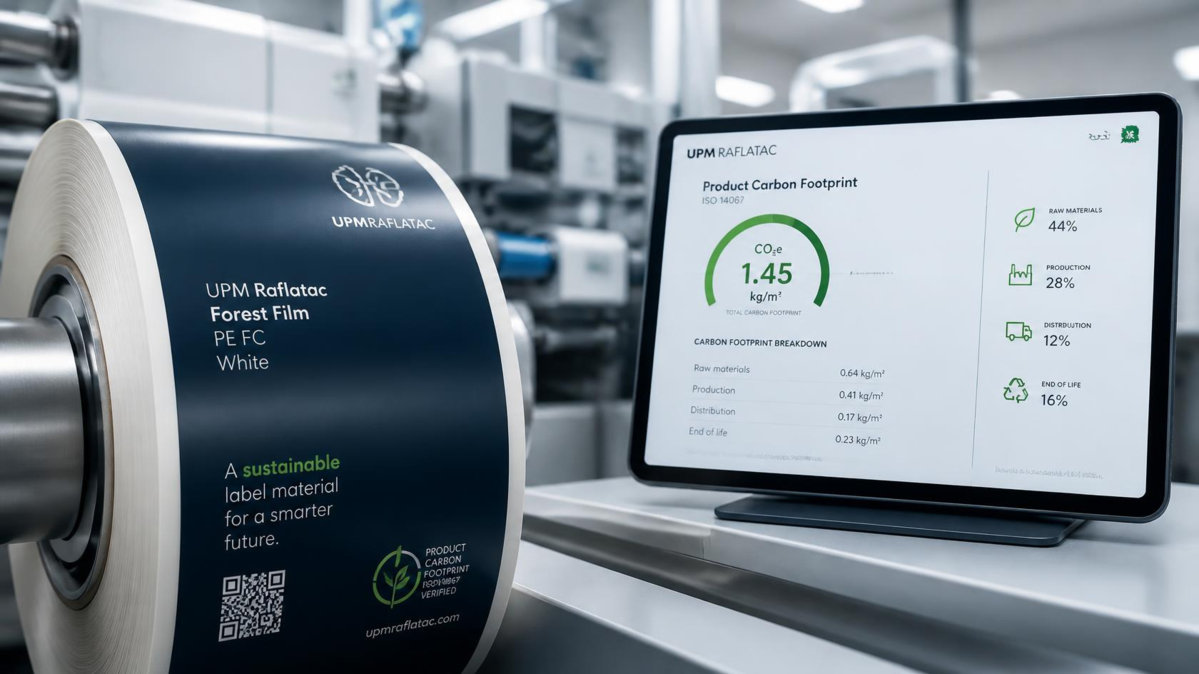
The Role of ISO 14067 and LCA
- ISO 14067: Specifies the requirements and guidelines for quantifying and reporting product carbon footprints.
- LCA (Life Cycle Assessment): Established under ISO 14040 / ISO 14044, it is the core methodology for calculating carbon footprints.
Key Benefits:
- Meet ESG reporting and investor transparency requirements.
- Pass international supply chain carbon audits.
- Comply with carbon tax reporting obligations in export markets.
- Optimize internal carbon management and develop effective decarbonization strategies.
The 4 Phases of LCA in ISO 14067
1. Goal & Scope Definition
Define the purpose, system boundaries, and functional units of the LCA study:
Purpose: ESG reporting, supply chain compliance, carbon tax calculation, marketing.
System boundaries:
- Cradle-to-Grave: Covers the full product life cycle, from raw materials to disposal.
- Cradle-to-Gate: From raw materials to the factory gate (excludes product use and disposal).
Functional unit: For example, “per kg of product” or “per unit of service”.
Tip: Poorly defined goals and boundaries can lead to non-comparable results, reducing credibility in the eyes of clients and regulators.
2. Life Cycle Inventory (LCI)
Collect and quantify all relevant energy and material inputs and outputs:
Primary data: Direct data from company operations, such as energy use, raw materials, manufacturing emissions, transportation distances.
Secondary data: Industry databases (e.g., ecoinvent, GaBi) or literature-based average values.
Data quality requirements:
- Full life cycle coverage.
- Strong representativeness (location, time period, technology).
- Traceable and verifiable sources.
3. Life Cycle Impact Assessment (LCIA)
Convert inventory data into greenhouse gas emissions (CO₂e):
- Use IPCC Global Warming Potential (GWP) factors for conversion.
- Aggregate emissions from all life cycle stages to obtain the total product carbon footprint.
- Conduct Hotspot Analysis to identify the major sources of emissions.
Example:
A Hong Kong food exporter discovered that 70% of its emissions came from cold-chain logistics. By optimizing logistics routes and refrigeration efficiency, they achieved a 28% reduction in emissions, securing approval from EU buyers.
4. Interpretation & Application
Analyze results and develop action plans:
- Validate data reliability and assess uncertainties.
- Develop decarbonization strategies (material substitution, energy efficiency upgrades, supply chain optimization).
- Apply results to ESG reports, CDP disclosures, carbon tax filings.
- Obtain third-party verification to enhance credibility and global recognition.
Related Standards and Frameworks
- ISO 14040 / ISO 14044: LCA principles and framework.
- ISO 14064: Organizational carbon footprint accounting.
- ESG reporting / CDP / EcoVadis / SBTi: International sustainability disclosure and rating systems.
Services Offered by DQS HK