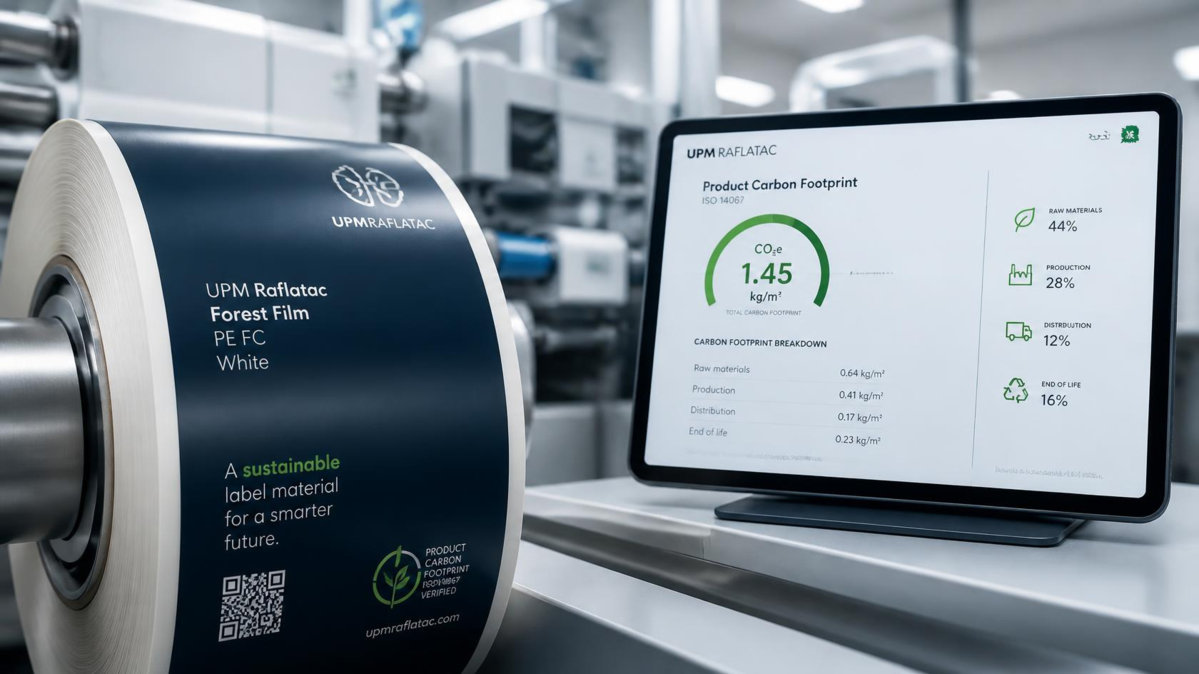
In a world increasingly aware of climate change and environmental impact, the carbon footprints of products have become a pressing concern for consumers and businesses alike. Knowing how to calculate a product's carbon footprint is not just a technical necessity; it's a vital step toward sustainability. However, not all carbon footprint calculations are equal. This blog will showcase the differences between general product carbon footprint calculations and those defined by the ISO 14067 standard, helping you make informed decisions.

Loading...
Understanding Your Product’s Carbon Footprint: The Importance of ISO 14067

Loading...
Understanding Product Carbon Footprint (PCF)
Product carbon footprint refers to the total greenhouse gas emissions (GHG) associated with the production, use, and disposal of a product throughout its entire life cycle. This includes emissions from raw material extraction, manufacturing processes, transportation, usage, and end-of-life disposal or recycling.
What is ISO 14067?
ISO 14067 is an international standard that provides a clear and consistent framework for quantifying and communicating the carbon footprint of products. It aims to ensure that carbon footprint data is comparable and transparent across different products and industries. The standard is based on life cycle assessment (LCA) principles and emphasizes the importance of using reliable data and methodologies.
Key Differences
1. Methodology:
- General PCF Calculations: General PCF can vary widely depending on the organization or individual conducting the assessment. Different methodologies and assumptions may be applied, leading to inconsistent results.
- ISO 14067: This standard suggests specific methodologies to be followed, ensuring that calculations are consistent and comparable. It emphasizes adherence to LCA principles.
2. Data Quality:
- General PCF: The data quality can be different, resulting in less reliable calculations.
- ISO 14067: Uses high-quality and relevant data to improve the reliability of the carbon footprint assessment.
3. Data Interpretation:
- General PCF: There may be no standardized way to translate results, leading to data misinterpretations.
- ISO 14067: Offers guidelines for precise carbon footprint information, aiding stakeholders understand the implications of the data.
4. Verification:
- General PCF: Often lacks formal verification processes, which may affect credibility in the reported results.
- ISO 14067: Encourages third-party verification to strengthen the credibility of carbon footprint claims.
Conclusion
Understanding the differences between general product carbon footprint calculations and those according to ISO 14067 is crucial for businesses and consumers alike. Adopting ISO 14067 not only supports more accurate and credible carbon footprint assessments but also helps organizations in their sustainability efforts. By adopting ISO 14067, organizations can ensure more accurate, credible carbon footprint assessments, ultimately influencing consumer purchasing decisions as they become more environmentally conscious. If you're looking to enhance your sustainability efforts, consider exploring ISO 14067 today and take a significant step toward a greener future.
Associated Services by DQS HK
Author
DQS Hong Kong
DQS – Leveraging Quality, Driving Success.
DQS empowers organizations worldwide to build trust, drive innovation, and achieve sustainable growth by certifying the future of business. Founded in 1985, DQS has grown into a global leader in the assessment and certification of management systems, with a team of 3,000 highly qualified auditors delivering over 130,000 audit days per year in more than 60 countries. Through internationally recognized certifications across 200+ standards, DQS helps businesses manage risks, ensure compliance, and unlock new opportunities in an evolving regulatory and business landscape.
Thinking beyond compliance, DQS is a trusted partner for digitalization, automation, and sustainability leadership. The company’s expertise covers a wide range of areas, spanning from cybersecurity and AI governance to ESG compliance, supply chain management, medical device safety, and future mobility, delivering real value to industries in their pursuit of resilient, sustainable, and intelligent systems. By leveraging advanced auditing methodologies, predictive analytics, and real-time insights, DQS supports organizations to future-proof their operations while demonstrating their commitment to excellence and responsible business practices.

Loading...