As the world escalates its fight against climate change, both businesses and governments are aiming to align economic activities with the principles of environmental sustainability. One of the major initiatives in this context is the introduction of the Carbon Border Adjustment Mechanism (CBAM) by the European Union (EU). When combined with the adoption of ISO standards, CBAM marks a pivotal step towards creating a more sustainable global trading structure. In this blog, we will delve into the concept of CBAM, its impacts, and how ISO standards can support its objectives.

Loading...
How ISO Standards Support CBAM?

Loading...
What is CBAM?
The Carbon Border Adjustment Mechanism (CBAM) is a policy aimed at addressing the problem of carbon emission, which occurs when companies shift production to nations with less stringent environmental regulations. CBAM aims to create a level playing field for EU industries by imposing a carbon price on imported goods from outside the EU. To address this new pricing policy, relevant countries and companies may need to adjust their business processes including investment in low carbon technologies or minimize the burden through negotiations with the EU.
Key Features of CBAM
1. Targeted Goods: Initially, CBAM will focus on sectors at high risk of carbon leakage, such as aluminium, iron and steel, cement, electricity, and fertilizers.
2. Standardizing: Importers will be required to obtain CBAM certificates that correspond to the carbon emissions correlated with their products, ensuring that foreign manufacturers follow similar environmental standards as their EU counterparts.
3. Data Reporting: Importers must provide comprehensive data regarding the carbon leakage during the production of their goods, establishing transparency and accountability.
The impact CBAM brings
1. Promoting Sustainability: CBAM incentivizes international producers to adopt more environmentally friendly practices, contributing to a reduction in carbon emissions.
2. Impact on Global Trade: CBAM may help reform international supply chains, encouraging countries to strengthen their climate policies to avoid additional costs linked with carbon pricing.
3. Compliance Challenges: Companies located outside the EU may find difficulties in adapting to the new requirements, including the need for accurate data collection and emissions reporting, which could complicate world trades.
How ISO Standards Support CBAM
The International Organization for Standardization (ISO) develops and publishes standards that carry various sustainability initiatives. These standards can support businesses with compliance to CBAM and elevate their overall environmental performances, including:
1. Life Cycle Assessment: ISO 14040 and ISO 14044 guide organizations in assessing the environmental impacts of products throughout their entire life cycle. Conducting life cycle assessments can aid businesses accurately measure the carbon emissions associated with their products, which is essential for CBAM compliance.
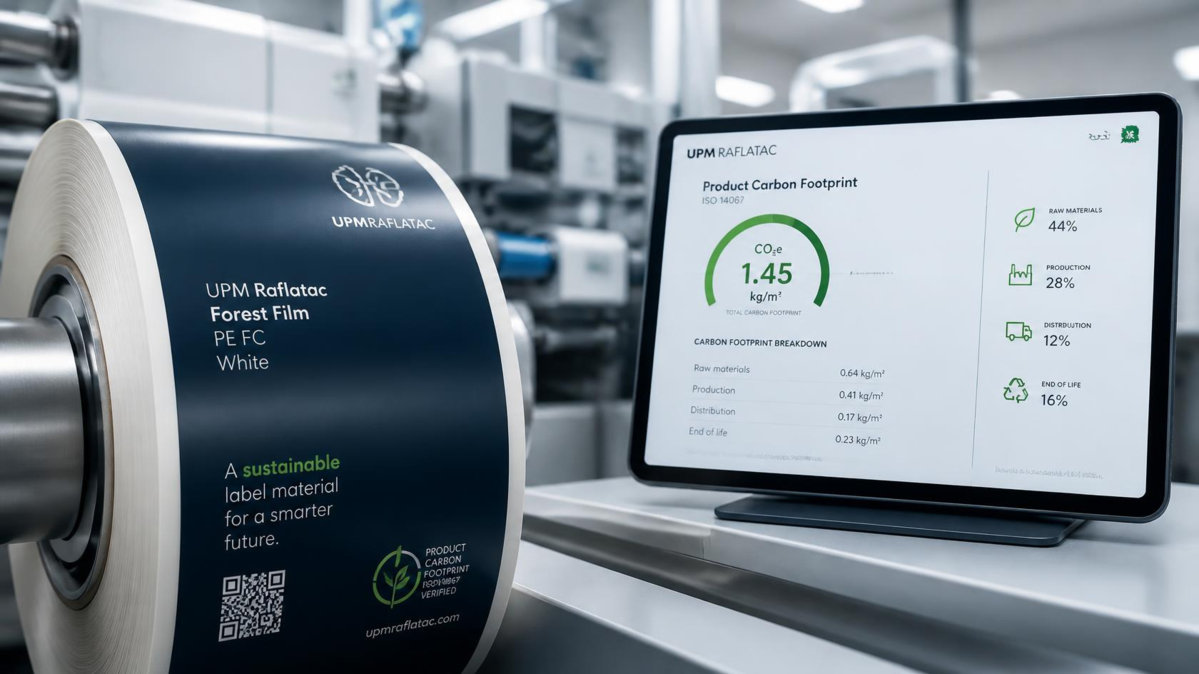
2. Carbon Footprint: ISO 14067 specifies the requirements for quantifying the carbon footprint of products. It can support businesses in measuring their emissions with accuracy, securing transparency in CBAM reports.
Conclusion
The Carbon Border Adjustment Mechanism designates a substantial shift in how governments and businesses approach sustainability in world trade. By creating a level playing field between domestic and foreign producers, CBAM aims to minimize carbon emissions and promote eco-friendly practices on a global scale.
In this context, ISO standards serve as essential tools that can aid organizations navigate the complexities of CBAM compliance while elevating their environmental performances. By implementing ISO standards into their operations, businesses can contribute to a more sustainable and equitable global economy while fulfilling the requirements of CBAM.
As we move towards a future where sustainability is at the core of business and trade policies, navigating mechanisms such as CBAM and ISO standards will be crucial for organizations to thrive in this evolving framework.
Associated Services by DQS HK
Author
DQS Hong Kong
DQS – Leveraging Quality, Driving Success.
DQS empowers organizations worldwide to build trust, drive innovation, and achieve sustainable growth by certifying the future of business. Founded in 1985, DQS has grown into a global leader in the assessment and certification of management systems, with a team of 3,000 highly qualified auditors delivering over 130,000 audit days per year in more than 60 countries. Through internationally recognized certifications across 200+ standards, DQS helps businesses manage risks, ensure compliance, and unlock new opportunities in an evolving regulatory and business landscape.
Thinking beyond compliance, DQS is a trusted partner for digitalization, automation, and sustainability leadership. The company’s expertise covers a wide range of areas, spanning from cybersecurity and AI governance to ESG compliance, supply chain management, medical device safety, and future mobility, delivering real value to industries in their pursuit of resilient, sustainable, and intelligent systems. By leveraging advanced auditing methodologies, predictive analytics, and real-time insights, DQS supports organizations to future-proof their operations while demonstrating their commitment to excellence and responsible business practices.

Loading...