Quantifying the Climate Impact of Greenhouse Gases
CO2, by definition, has a GWP of 1, as it is the reference gas. Other GHGs have different GWP values, reflecting their unique characteristics:
- Methane (CH4) has a GWP of 27-30 over 100 years. Although it has a shorter lifetime than CO2, CH4 absorbs much more energy, resulting in a significant impact on global warming.
- Nitrous Oxide (N2O) has a GWP of 273, meaning it traps 273 times more energy than CO2 over a 100-year period. N2O remains in the atmosphere for over 100 years on average.
Certain fluorinated gases, such as chlorofluorocarbons (CFCs), hydrofluorocarbons (HFCs), and perfluorocarbons (PFCs), are considered "high-GWP" gases, with values ranging from the thousands to tens of thousands, due to their strong ability to absorb energy and long atmospheric lifetimes.
It's important to note that GWP values can change over time as our understanding of the atmospheric behavior of these gases evolves. Additionally, GWPs are often presented as a range, reflecting the different methods used to calculate their values.
The Role of Global Warming Potential
The GWP is a crucial tool in greenhouse gas emissions accounting and policymaking. It allows analysts to add up emissions estimates of various gases, enabling the comparison of emissions reduction opportunities across sectors and gases. This common unit of measure is essential for compiling national greenhouse gas inventories and developing targeted strategies to address climate change.
The Variety of Greenhouse Gas Metrics
While the 100-year GWP is the primary metric used in the United States, the scientific community has also developed alternative metrics, such as the 20-year GWP and the Global Temperature Potential (GTP), which may prioritize different aspects of the climate impact of GHGs.
Understanding the concept of Global Warming Potential is crucial for accurately assessing and addressing the carbon footprint of various activities and industries, ultimately contributing to the collective effort to mitigate the effects of climate change.
To help organizations quantify, report, and manage their greenhouse gas emissions, various standards have been developed, including ISO 14064 and ISO 14067.
ISO 14064 for Corporate CFP
ISO 14064 is an international standard for quantifying and reporting greenhouse gas (GHG) emissions and removals for an organization. The standard provides a framework for organizations to measure, report, and verify their GHG emissions, which is often used to support carbon trading schemes and help organizations manage and reduce their carbon footprint.
ISO 14067 for Product CFP
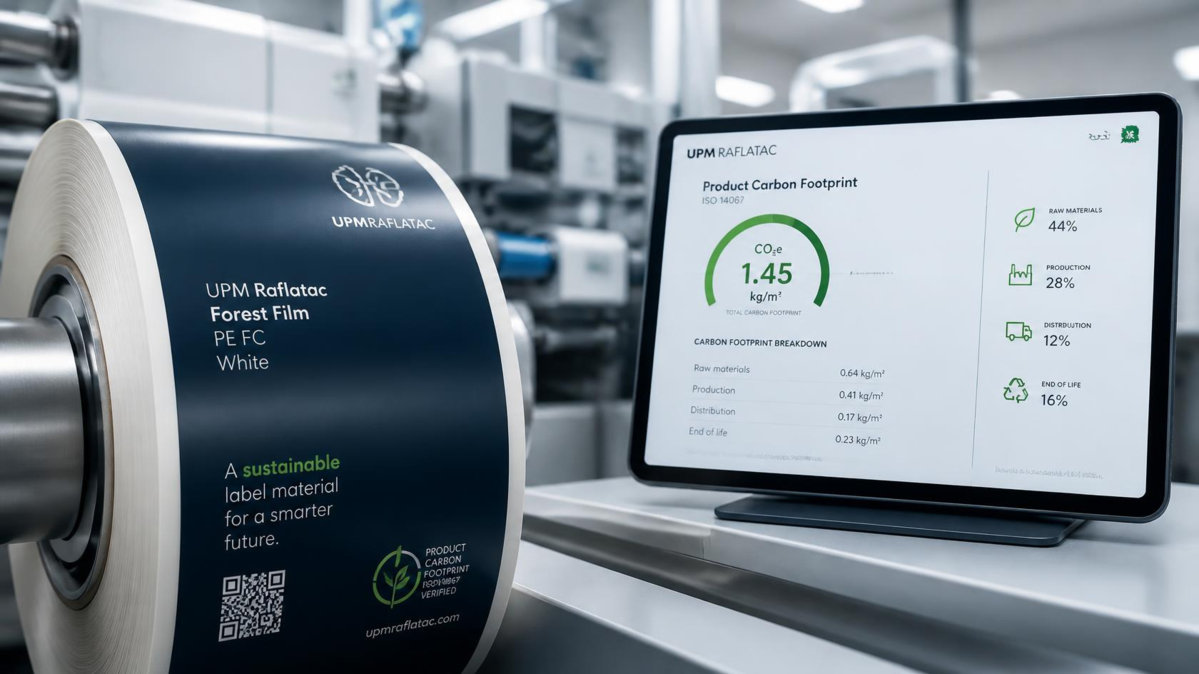
ISO 14067 is an international standard for product carbon footprint. The standard specifies the principles and requirements for quantifying and reporting the carbon footprint of products throughout their life cycle, helping organizations identify and reduce greenhouse gas emissions associated with their products.
CFP Verification against ISO 14064 and ISO 14067
In the face of the pressing global challenge of climate change, it is imperative that organizations take proactive steps to quantify, manage, and reduce their greenhouse gas emissions. By having ISO 14067 and ISO 14064 Verification, organizations can :
- Demonstrate their commitment to climate change
- Improve their environmental performance and transparency.
- Enhance the environmental sustainability of their products
- Provide reliable information about the carbon footprint to consumers
Invest in these verification today and become a leader in the industry's transition towards a more sustainable future.
Associated Services by DQS HK