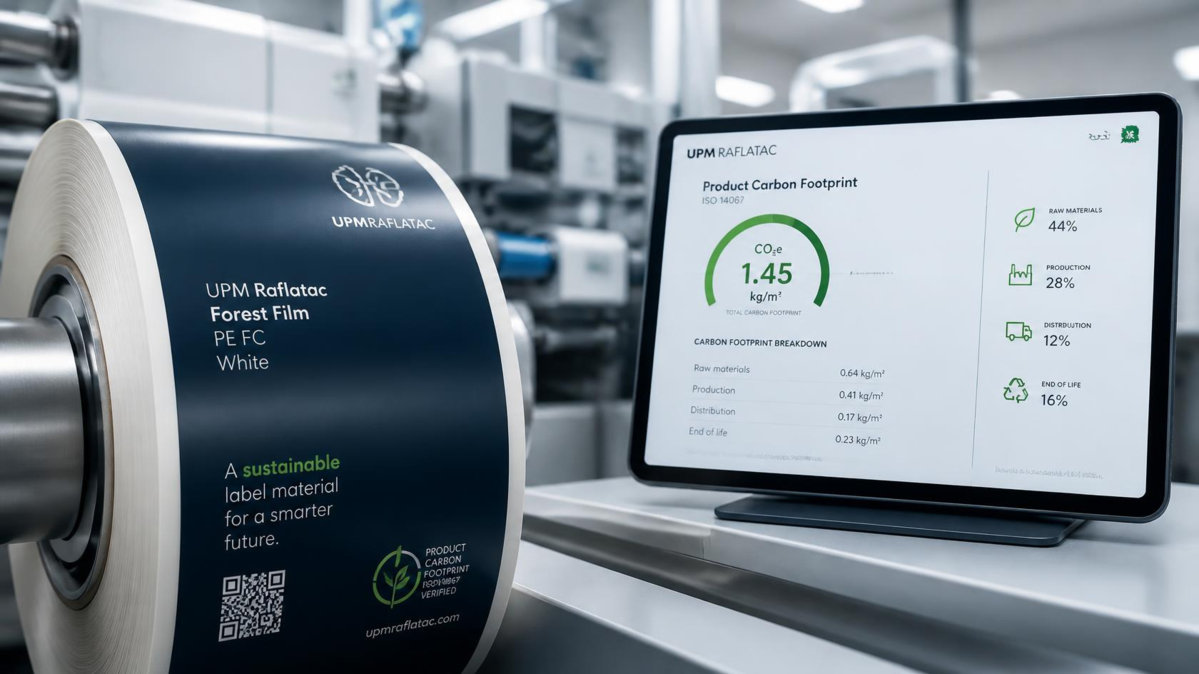
In July 2023, the European Union launched a groundbreaking battery regulation (EU) 2023/1542, a game-changer in sustainable energy management. Effective August 17, 2023, this regulation governs the entire life cycle of batteries—from production to recycling—setting new standards for manufacturers and distributors. A key element? Carbon footprint transparency, making ISO 14064 and ISO 14067 certifications more relevant than ever.

Loading...
The Essential Role of ISO 14064 and ISO 14067 in the New EU Battery Regulation

Loading...
Why ISO Certifications Matters
As battery manufacturers encounter strict carbon emission requirements, accurate measurement and reporting are crucial. ISO 14064 provides a framework for greenhouse gas (GHG) accounting, while ISO 14067 emphases on product carbon footprint, which is essential for battery makers under the new regulation.
Battery Categories Under Regulation
The regulation applies to five battery types, each with unique disclosure requirements:
1. Portable Batteries: Lightweight, non-industrial batteries under 5kg.
2. SLI Batteries: Used for starting vehicles.
3. Electric Vehicle Batteries: Weighing over 25kg for hybrid and electric vehicles.
4. LMT Batteries: Sealed batteries for wheeled vehicles up to 25kg.
5. Industrial Batteries: Industrial use or over 5kg.
Certification Process
- ISO 14064: Focuses on GHG accounting and verification through application, document review, on-site checks, and findings overview.
- ISO 14067: Involves defining product boundaries, collecting life cycle data, calculating carbon footprints, and preparing reports for technical evaluation.
Conclusion
The EU's new battery regulation is not just about compliance; it’s an opening for battery companies to lead in sustainability. By obtaining ISO 14064 and ISO 14067 certifications, manufacturers can enhance their environmental credibility and market position.
Associated Services by DQS HK
Author
DQS Hong Kong
DQS – Leveraging Quality, Driving Success.
DQS empowers organizations worldwide to build trust, drive innovation, and achieve sustainable growth by certifying the future of business. Founded in 1985, DQS has grown into a global leader in the assessment and certification of management systems, with a team of 3,000 highly qualified auditors delivering over 130,000 audit days per year in more than 60 countries. Through internationally recognized certifications across 200+ standards, DQS helps businesses manage risks, ensure compliance, and unlock new opportunities in an evolving regulatory and business landscape.
Thinking beyond compliance, DQS is a trusted partner for digitalization, automation, and sustainability leadership. The company’s expertise covers a wide range of areas, spanning from cybersecurity and AI governance to ESG compliance, supply chain management, medical device safety, and future mobility, delivering real value to industries in their pursuit of resilient, sustainable, and intelligent systems. By leveraging advanced auditing methodologies, predictive analytics, and real-time insights, DQS supports organizations to future-proof their operations while demonstrating their commitment to excellence and responsible business practices.

Loading...