Experts from DQS and PNC Bank told us how assurance and SPOs are reshaping green bonds, loans, and sustainable debt markets.

Loading...
Green Finance with Teeth: Second-Party Opinions for Credibility and Capital Access

Loading...
The Market Has Matured — and So Have Expectations
The era of unchecked ESG claims in finance is ending. In its place is a rapidly maturing ecosystem built on frameworks, verified data, and market-aligned structures. For Finance Directors, the message is clear: to access sustainable funding today, credibility must be demonstrable.
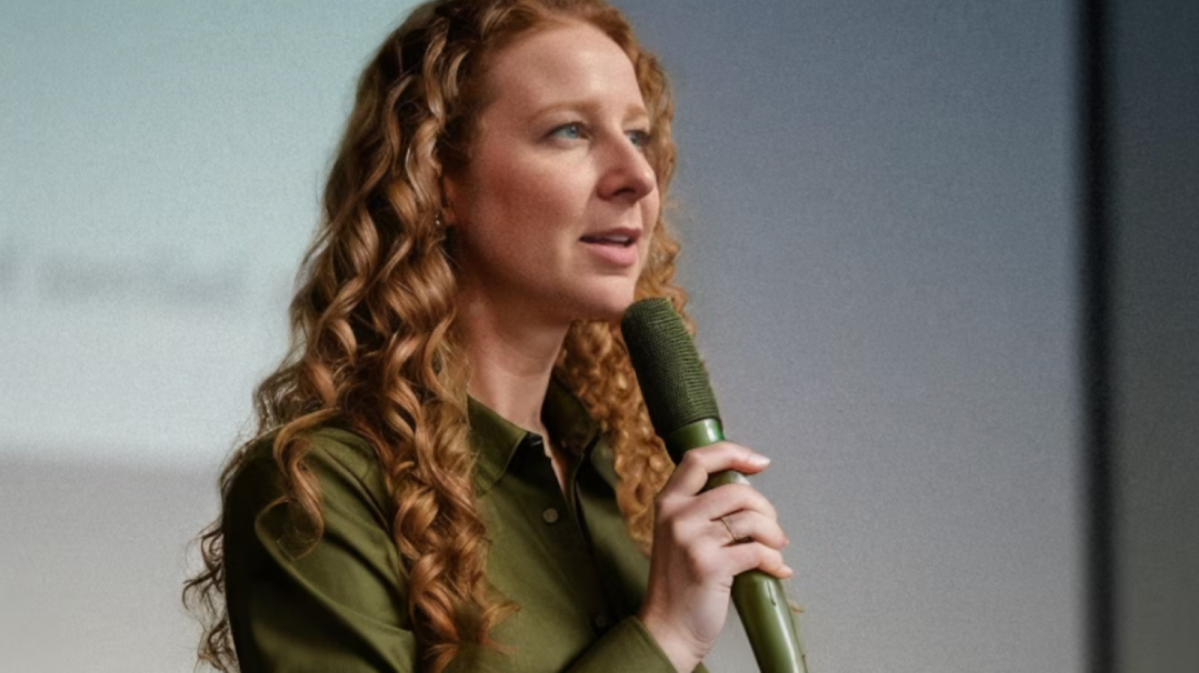
That was the central theme of the recent event, Enhancing Credibility in Green Finance: The Power of Assurance and Second-Party Opinions, hosted by DQS and PNC Bank. The session featured Behzad Sadegh, Director of Sustainability at DQS, and Zach Graziani, Vice President at PNC’s Sustainable Finance Group, who offered practical insights on what today’s capital providers expect — and how issuers can meet the mark.

Loading...
Green Bonds vs. Sustainability-Linked Loans: Know the Structure, Know the Risk
Zach Graziani opened with a critical clarification: not all sustainable debt is the same. Finance leaders need to understand how green bonds and sustainability-linked loans (SLLs) differ in structure, strategy, and scrutiny.
- Green Bonds & Loans
These are use-of-proceeds instruments. Funds raised must be dedicated to qualifying environmental or social projects—such as renewable energy installations, energy-efficient infrastructure, or clean mobility initiatives.
“This is the most mature product in sustainable finance,” said Graziani. “In the private loan market, we’re seeing consistent pricing benefits, typically up to five basis points.” - Sustainability-Linked Loans
SLLs are general-purpose credit facilities with embedded KPIs. Companies don’t need earmarked green projects. instead, they must set and hit annual performance goals to secure pricing advantages.
“SLLs are ideal for companies without large capital projects but with measurable ESG ambitions,” Graziani noted. “The key is selecting KPIs that are both material and challenging.”
In both cases, the need for second-party opinions (SPOs) and external assurance is growing — not only to satisfy investor demands, but to avoid reputational risk and internal governance gaps.
What a Second-Party Opinion Really Does
Behzad Sadegh underscored the strategic value of SPOs in today’s sustainable finance landscape. An SPO is not a symbolic checkmark. It is a rigorously structured evaluation that validates alignment with market principles (e.g., ICMA, LMA), assesses materiality, and verifies measurability of claims.
“As the market matures, expectations are rising. A second-party opinion ensures that what a company declares in its framework is not just aspirational — it’s auditable,” Sadegh said.
At DQS, we leverage over 200 Standards and frameworks and a global team of auditors to bring real assurance to the process.
For multinationals or mid-market firms operating across jurisdictions, this ability to navigate diverse taxonomies and standards is essential to securing investor trust.
Market Context: From Rapid Growth to Disciplined Maturity
The global sustainable debt market exploded between 2015 and 2021, and one could argue that the current plateau is not a regression, but a rationalization. Graziani calls the slowdown a “positive development,” noting that issuers are now more selective, intentional, and aligned with best practices.
Among the key shifts:
- Green bonds are resurging as investors seek products to meet long-term portfolio decarbonization targets.
- The “greenium” — pricing benefit for green issuers — is re-emerging in both loan and public bond markets.
- Companies are refining their approach to SLLs, replacing broad KPI lists with one or two metrics that are strategic, verifiable, and tied to enterprise value.
“Investors are more focused on the quality of KPIs, not the quantity,” Graziani said. “And with many early-adopter instruments maturing, we’re seeing a wave of refinancing that’s forcing companies to reassess what’s credible.”
The Refinancing Cliff: A Real Test for Credibility
A significant number of sustainability-linked and green instruments issued in the 2020–2022 window are now approaching maturity. According to both speakers, this represents a moment of truth.
Companies must either defend the integrity of their existing frameworks or reissue under stricter expectations.
“Refinancing in this market is not just a financial exercise; it’s a credibility test,” said Behzad. “This is where DQS is actively supporting issuers with updated SPOs and assurance assessments that reflect the latest market expectations.”

Loading...
What Finance Directors Must Do Now
For Finance Directors considering entry or re-entry into the sustainable finance space, the path is more defined and more demanding:
- Choose the right structure. Green bonds offer clearer pathways for CapEx-heavy strategies; SLLs work best when strategic KPIs are available.
- Build or update your framework. Rely on trusted market principles and seek advisory input early.
- Commission an SPO. Independent assurance is rapidly becoming a minimum requirement.
- Simplify and focus KPIs. Investors value clarity and ambition more than complexity.
- Prepare for scrutiny. Transparency on methodology, data sources, and reporting cadence is essential to investor confidence.
Assurance Is Your Strategic Advantage
Finance teams that treat SPOs and assurance as red tape miss the point.
In the current market, getting certified and seeking SPOs reduce risk as well as enhancing access to capital, improve pricing, and reinforce market reputation.
“Ultimately, second-party opinions are not just about compliance. They’re about demonstrating that your ESG commitments are real, measurable, and strategically embedded,” said Behzad.
In partnership, DQS and PNC Bank offer the credibility infrastructure and financing expertise that issuers need to compete in the next generation of sustainable finance.
If you want to know more about SPOs, reach out to us today.
Author
Nadine Heir
Nadine's team communicates the world-class quality for which DQS is globally recognized, in certification and auditing services, to companies across industries.
Loading...