This blog breaks down the ESG journey for mining firms into actionable insights across reporting, assurance, and evaluation. Learn more about how to overcome challenges like fragmented data, regulatory uncertainty, and assurance costs - while seizing opportunities to boost credibility, secure green financing, and drive long-term resilience.

Navigating ESG Reporting, Assurance, and Ratings in the Mining Sector: Insights and Strategies for Sustainable Success

By Francois Labuschagne and Lucinda Kuys 

In an era where environmental, social, and governance (ESG) factors are no longer optional but essential for corporate survival, the mining industry faces unique pressures. From the extraction of critical minerals vital for the green energy transition to managing community impacts and regulatory scrutiny, mining companies must navigate a complex landscape of reporting, assurance, and evaluation. This article draws on a curated set of key questions—spanning ESG reporting and assurance to ratings and evaluation—to provide actionable insights, challenges, and opportunities. Whether you're a mining executive, investor, regulator, or stakeholder, these guidelines can help drive meaningful change in an industry often at the forefront of global sustainability debates.

Based on industry frameworks like the Global Reporting Initiative (GRI), the International Council on Mining and Metals (ICMM), and emerging standards such as the International Sustainability Standards Board (ISSB), we'll explore how mining firms can enhance their ESG practices. We'll break it down into two main sections, mirroring common inquiry areas, and conclude with forward-looking recommendations.

Loading...
Gain the knowledge and confidence to prepare credible, impactful sustainability reports—aligned with global standards.  

The Foundations of ESG Reporting and Assurance in Mining

ESG reporting involves disclosing non-financial metrics on environmental impacts (e.g., emissions and biodiversity), social responsibilities (e.g., labor rights and community engagement), and governance (e.g., ethical supply chains). Assurance adds credibility through third-party verification, much like financial audits. But in mining, where operations span remote sites and involve high-stakes issues like tailings dam safety, these processes can be daunting yet transformative.

Motivations, Challenges, and Benefits

Many mining companies are motivated to report ESG metrics by a mix of internal and external drivers. Investor demands for sustainable practices—such as those from funds prioritizing net-zero goals—often top the list, alongside regulatory pressures like the EU's Corporate Sustainability Reporting Directive (CSRD) or Australia's Modern Slavery Act. Community feedback, too, plays a pivotal role; for instance, stakeholder input can reshape initiatives, turning potential conflicts (e.g., over land use) into collaborative opportunities.

However, challenges abound. Data collection in isolated mining operations can be logistically difficult, compounded by inconsistent global standards and high costs—assurance might represent 0.1-1% of revenue, deterring smaller firms. Despite this, benefits are tangible: enhanced reputation, access to green financing, and operational efficiencies. Even single-site or non-exporting companies can gain from local trust-building and risk reduction, such as avoiding regulatory fines or improving employee morale.

Take Rio Tinto's experience: After facing scrutiny over cultural heritage issues, the company adopted robust ESG reporting, leading to better stakeholder relations and a competitive edge in talent attraction. Assurance, in particular, contributes to long-term resilience by identifying risks like climate-related disruptions early.

Stakeholder Influences and Regulatory Dynamics

Investor and customer expectations are reshaping ESG decision-making. For example, demands for transparency in critical mineral supply chains (e.g., cobalt from conflict zones) push companies toward ethical sourcing. Regulations, such as the Task Force on Climate-related Financial Disclosures (TCFD), further influence practices by mandating disclosures on climate risks—crucial for mining's high-emission profile.

International dynamics add layers of complexity. In regions with varying enforcement, like parts of Africa or South America, country-specific factors (e.g., political instability) can hinder assurance reporting. Building global partnerships, such as with auditors like PwC or Deloitte, helps mitigate this, while fostering relationships with local NGOs ensures culturally sensitive approaches.


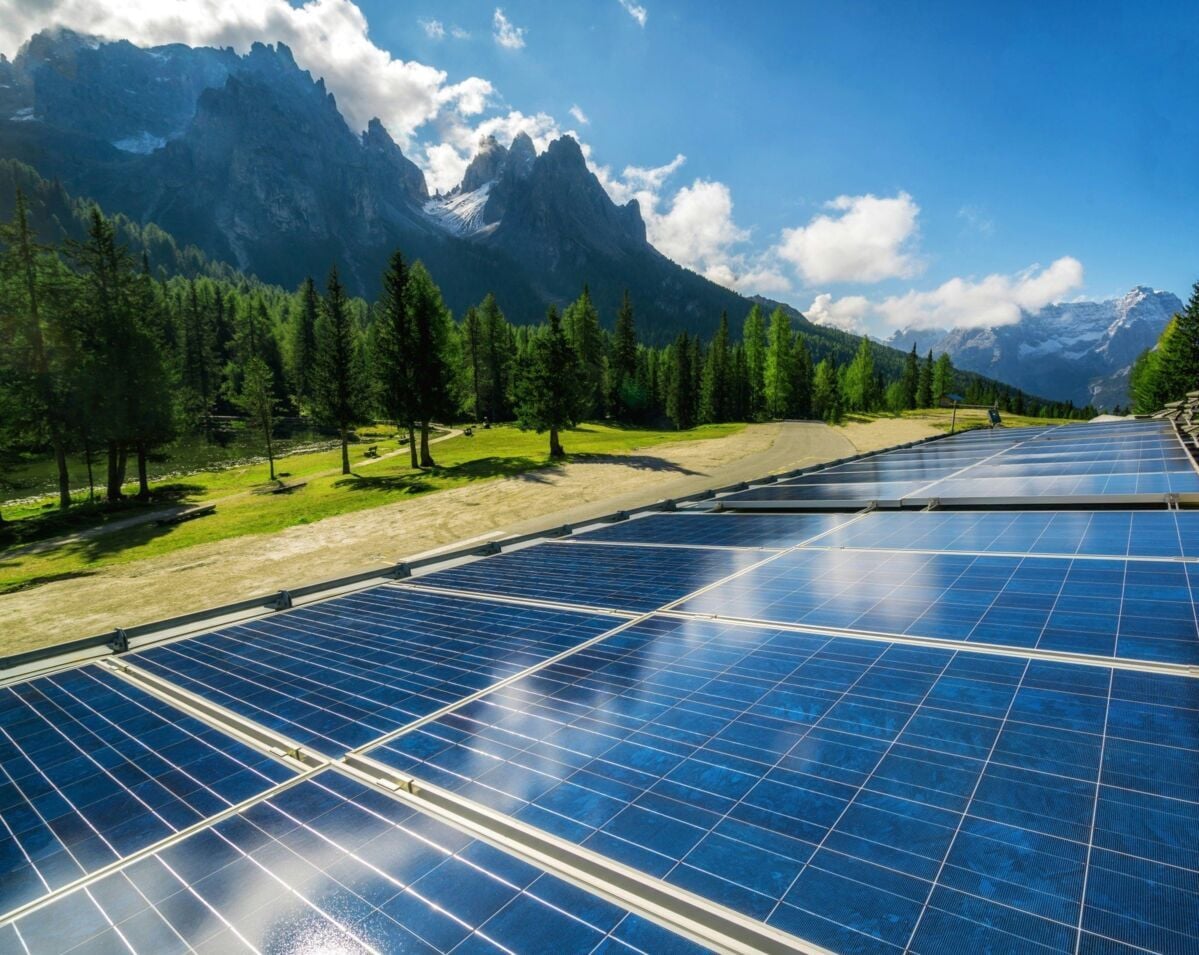
A field of solar panels amid a conifer forest and mountains
Loading...

Tools, Improvements, and Future Outlook

To simplify ESG processes, companies are turning to digital tools like AI-powered platforms (e.g., from Sphera or Enablon) for real-time data tracking. Pilot programs, such as the Sustainability Assurance Framework (SAAF 2.0), offer low-risk entry points for testing assurance—many firms express interest, viewing them as bridges to full adoption.

Looking ahead, the mining sector could benefit from standardized, sector-specific metrics (e.g., for tailings management) and collaborative platforms to share best practices. Opportunities include leveraging blockchain for traceable supply chains, potentially strengthening assurance. Yet, anticipated challenges like rising costs amid economic volatility or talent shortages in ESG expertise must be addressed. Factors influencing adoption often boil down to perceived value: Does assurance provide a competitive edge? Absolutely, by differentiating companies in tenders and enhancing internal reputation.

Stakeholders perceive assurance variably—investors see it as a credibility booster, while communities may view limitations if it doesn't address on-ground issues. Ultimately, as one industry insight suggests, "ESG isn't just compliance; it's a pathway to resilience in a volatile world."

ESG Ratings and Evaluation: Measuring Performance in a High-Impact Sector

Beyond reporting, ESG ratings—provided by agencies like MSCI, Sustainalytics, or S&P—evaluate companies on standardized criteria, influencing investment decisions. In mining, where sector-specific challenges like habitat destruction or water scarcity loom large, these ratings must be nuanced to drive real change.

Criteria, Challenges, and Transparency

Evaluation criteria typically include quantitative metrics (e.g., carbon intensity) and qualitative factors (e.g., board diversity). For mining, raters account for unique hurdles, such as the environmental footprint of critical mineral extraction, by normalizing scores—e.g., adjusting for unavoidable emissions in lithium mining while rewarding innovations like renewable energy use at sites.

Stakeholder feedback is integral, shaping ratings through inputs from communities or activists. To ensure transparency, agencies publish methodologies, emphasizing consistency via alignments with ISSB or SASB (Sustainability Accounting Standards Board) standards. Common weaknesses in mining disclosures? Vague reporting on social impacts or incomplete supply chain data, often due to operational silos.

Evolution, Collaboration, and Internal Change

Ratings aren't static; they evolve as companies improve. A firm reducing water usage by 30% over three years might see its score rise, reflecting progress. Collaboration with assurance providers enhances this—verified data from third-party audits bolsters rating accuracy, while ties to regulators ensure alignment with emerging rules.

Companies leverage ratings effectively by treating them as internal catalysts. For instance, a low governance score might prompt anti-corruption training, leading to meaningful change. BHP Billiton has used such feedback to overhaul its ESG strategy, resulting in better ratings and investor confidence.

ESG Factory in Landscape - FLUX
Loading...

Conclusion

Charting a Sustainable Path Forward

The mining sector's ESG journey is fraught with challenges but ripe with opportunities. By addressing key questions—from motivations and costs to stakeholder perceptions and rating evolutions—companies can build mature processes ready for assurance. Whether through pilots like SAAF 2.0 or tech-driven tools, the focus should be on transparency, collaboration, and resilience.

To support this journey, DQS Academy offers AA1000 Online Training —a practical, globally recognied program designed to help you take control of your ESG reporting and assurance practices.

As of 2025, with global pushes for net-zero and ethical sourcing accelerating, mining firms that embrace ESG not only comply but thrive. Single-site operations can start small, scaling benefits locally, while global players lead by example. The insight is clear: In mining, ESG isn't a checkbox—it's the bedrock of sustainable, profitable futures.

Author

Francois Labuschagne

Francois believes that traditional business models, while once effective, have begun to show their limitations. The silos that previously fuelled growth now hinder the flow of creative ideas and collaboration. In response, Francois is committed to make bold and innovative moves. He is committed to directly engaging with clients and partners, and frequently invites questions, ideas, and collaboration. Whether it's international certifications, training solutions, or innovative concepts to transform industries, Francois is ready to help drive success and foster meaningful partnerships.

Loading...

You Might Also Enjoy These Reads

Discover more articles that dive deep into related themes and ideas.
Blog
Loading...

ISO 14001:2026 is Coming: A Strategic Guide for Hong Kong Enterprises

Blog
Loading...

DQS Supports SINOTRUK in Registering China EPD for Electric Cargo Truck

Blog
Loading...

Green Finance in Hong Kong: The Logic and Strategy of Corporate Financing