Frankfurt am Main, August 31, 2026 – On August 25, 2026, DQS GmbH became the first German certification body to be accredited for the revised standard DIN EN ISO 14001:2026 by the Deutsche Akkreditierungsstelle (DAkkS), Germany’s national accreditation body. The internationally recognized standard for environmental management systems had only been published in its revised version in April 2026. With this accreditation, DQS can now offer accredited certification audits against the requirements of the new version of the standard with immediate effect.

Loading...
Early preparation pays off.
This swift recognition by DAkkS was made possible by forward-looking internal preparation. Well ahead of the official application, DQS had engaged intensively with the new requirements of the standard and adapted its internal processes, competence profiles, and audit foundations accordingly.
Loading...
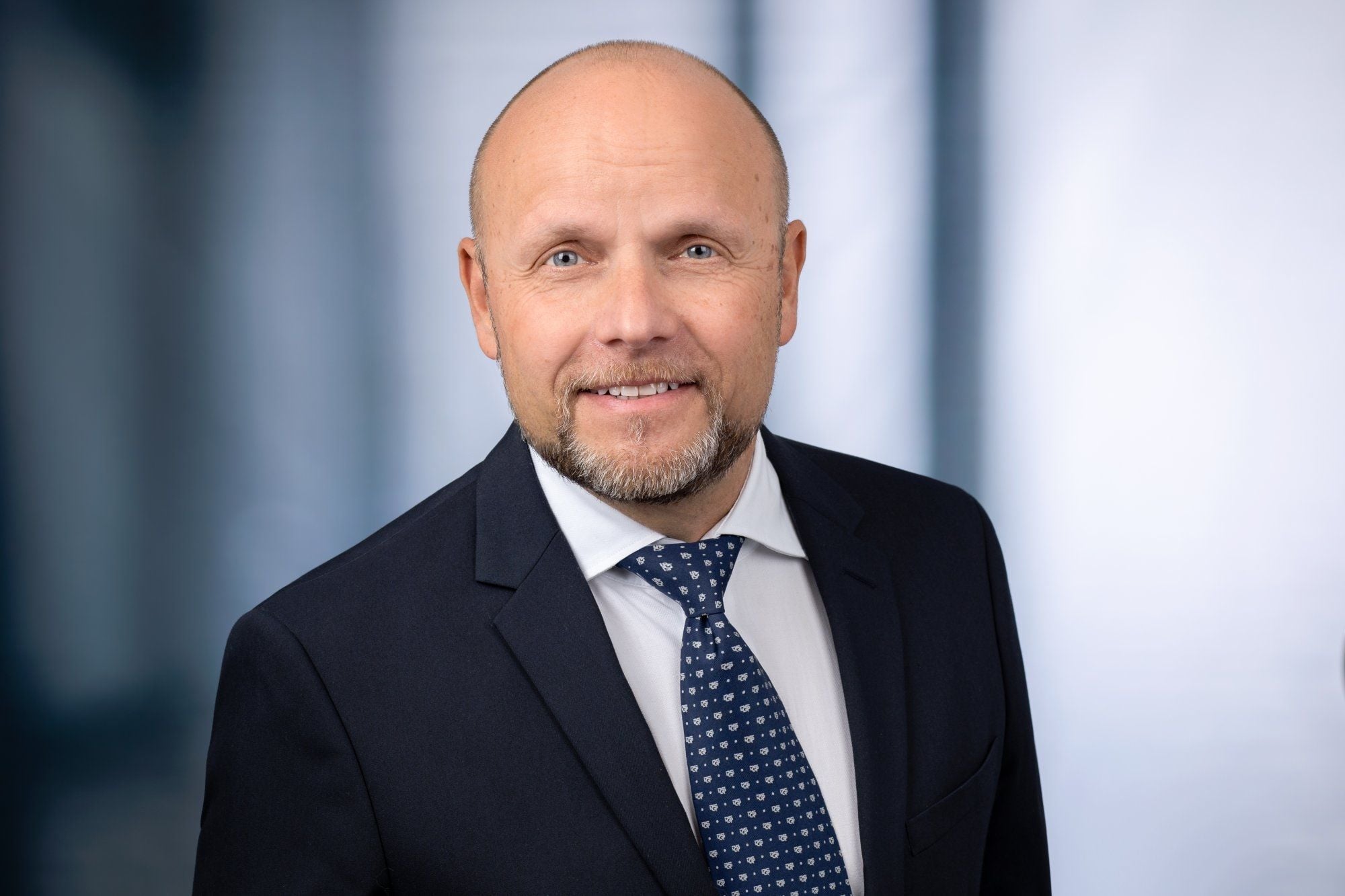
We prepared for the accreditation process early and carefully, and passed DAkkS’s document review without any nonconformities. We are very pleased about this – above all in the interest of our certification clients, whom we can now support as they transition to the new version of the standard, with immediate effect.
As a result, companies looking to move their environmental management system to the new version of the standard now have an accredited certification partner at their side internationally – with no waiting time and no interruption to ongoing certification cycles. Previously, the US office of DQS had been among the first certification bodies to receive the corresponding accreditation from the ANSI National Accreditation Board (ANAB), the US accreditation body. And for companies that do not yet have a certified environmental management system, DIN EN ISO 14001:2026 marks a good moment to take the first step.
Why accreditation matters
Accreditation is the formal confirmation by an independent national body – in Germany, DAkkS – that a certification body meets the internationally agreed requirements for competence and procedure. It ensures that certification audits are conducted according to consistent, verifiable criteria, and makes the certificates issued comparable and recognized worldwide. This gives certification clients the assurance that their certificate carries the weight and credibility that customers, business partners, and other stakeholders expect from independent proof of conformity.
What changes in DIN EN ISO 14001:2026?
The revision does not represent a fundamental realignment; rather, it primarily clarifies existing requirements. The text of the standard now follows the updated Harmonized Structure for management system standards. Climate change must now be assessed systematically, while pollution, natural resources, biodiversity, and the state of ecosystems also come more sharply into focus. Overall, climate change, the circular economy, and life-cycle thinking are gaining importance in environmental management.
Loading...
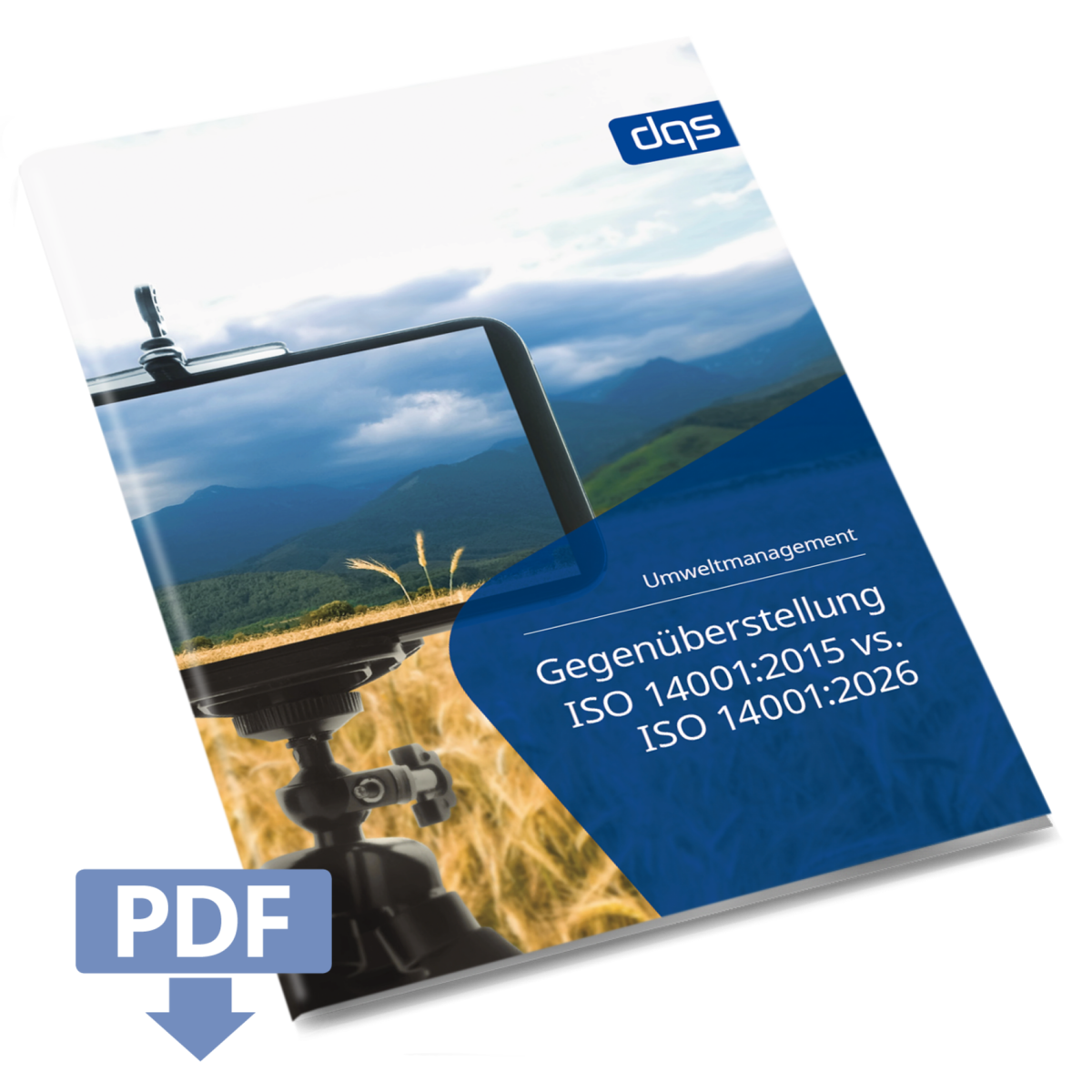
DQS Whitepaper
Detailed comparison of DIN EN ISO 14001:2015 and 2026
For environmental management officers and those responsible who now want to gain clarity about the specific changes, DQS has published the free white paper “ ISO 14001:2015 vs. ISO 14001:2026 "published. It presents a structured comparison of the requirements of both standard versions, incorporates newly included, clarified and structurally adapted requirements, and thus offers practical guidance for internal evaluation during the upcoming transition.
About DQS
The German Association for the Certification of Management Systems (DQS) supports organizations worldwide with certifications that build trust, reduce risks, and promote sustainable development. As an internationally active provider of management system assessments and certifications, it supports companies beyond mere compliance in future-oriented topics such as digitalization, sustainability, cybersecurity, and AI governance, thus contributing to the resilience, transparency, and future viability of organizations.